

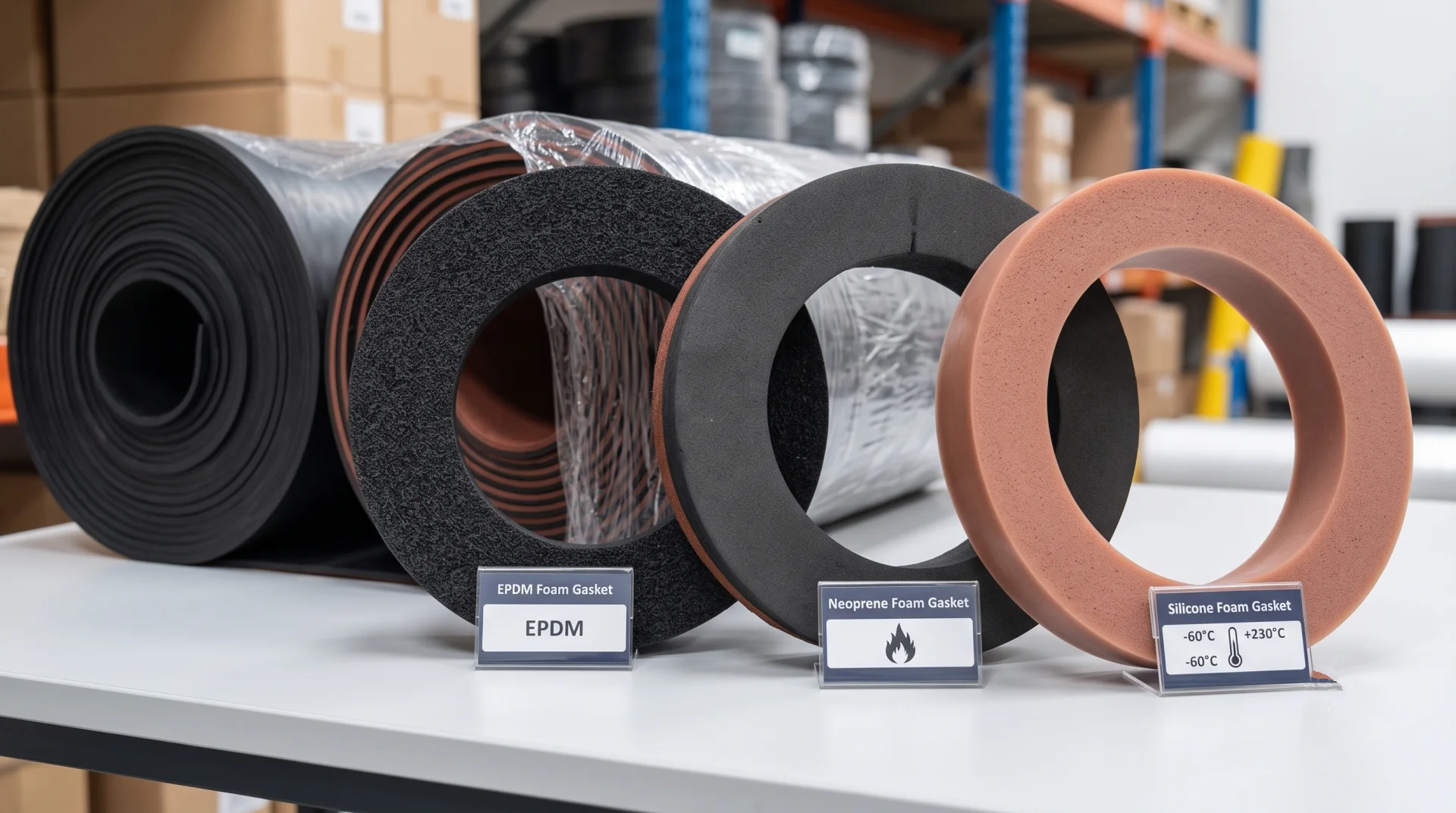
Closed-Cell Foam Gaskets: EPDM Foam vs Neoprene Foam vs Silicone Foam
Choosing the wrong foam gasket material can mean a failed seal, an unplanned shutdown, or a costly replacement run. If you’re specifying a foam gasket for a mining enclosure, food...
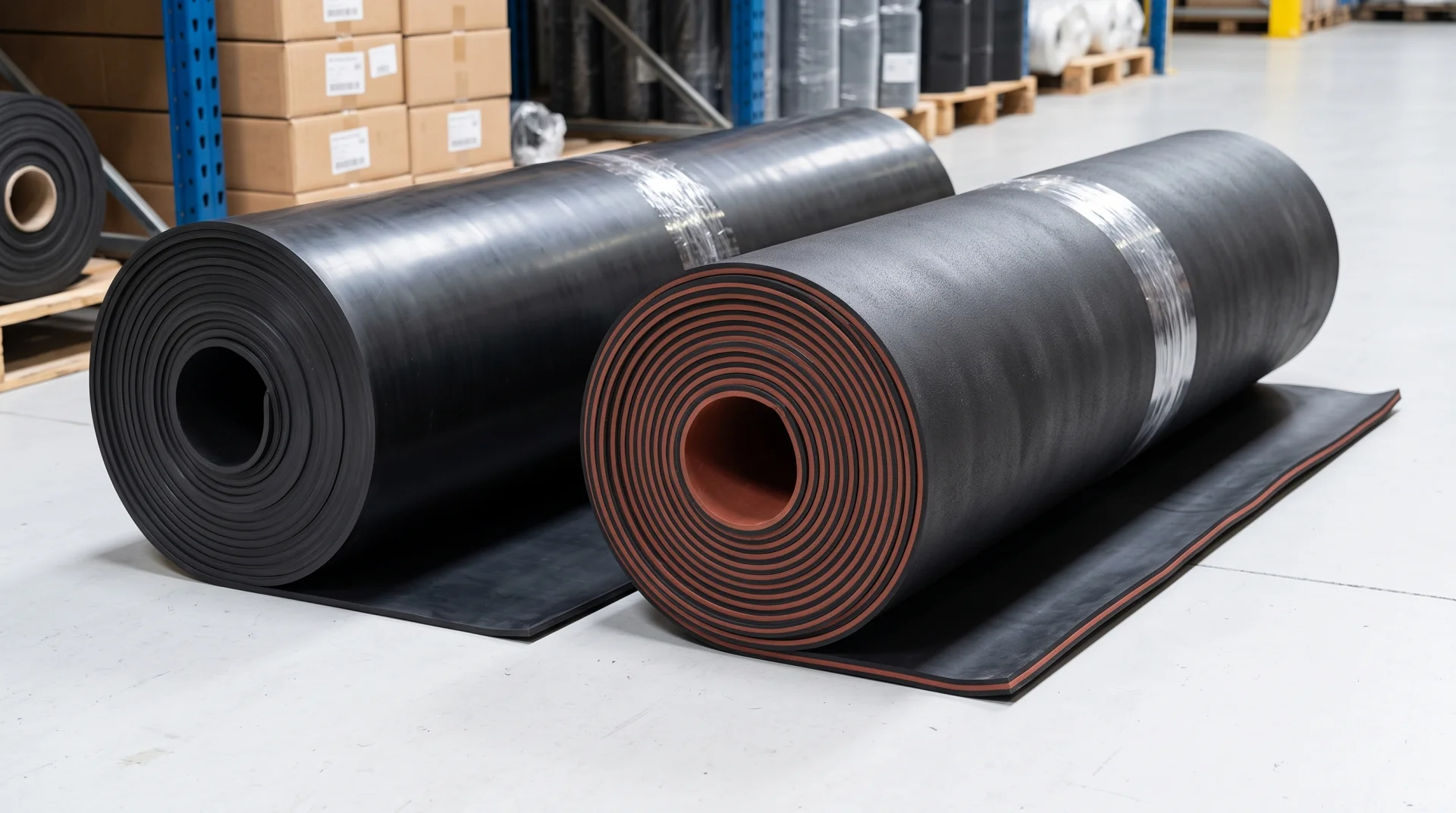
Natural vs Synthetic Rubber Sheet: Differences and Uses
When choosing a rubber sheet for industrial use, the natural vs synthetic rubber debate comes up quickly. Both handle sealing and gasketing work, but they’re not interchangeable — and picking...
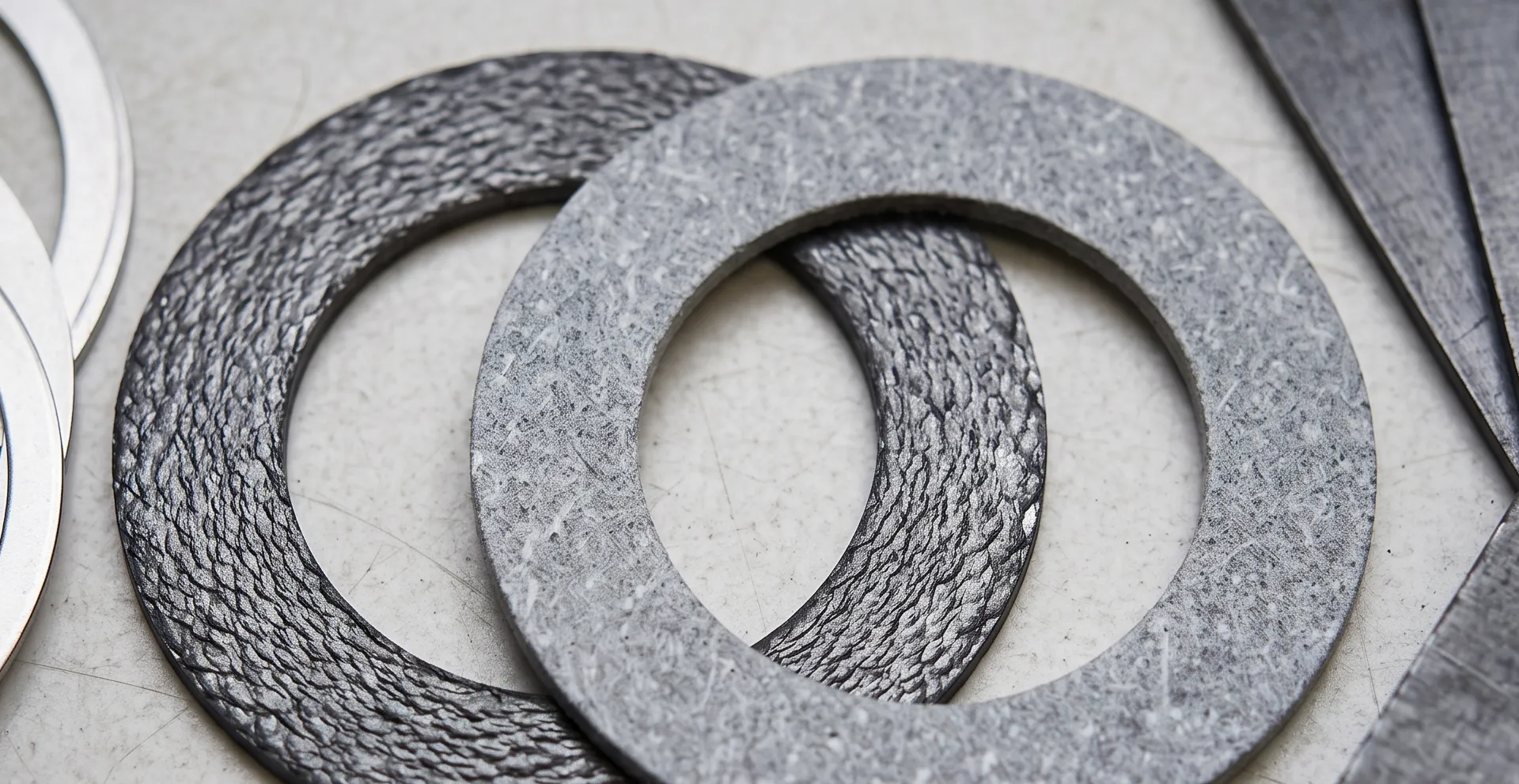
Graphite Gaskets vs Fibre (CNAF) Gaskets: High Temperature Sealing Compared
Specifying the wrong gasket for a high-temperature application can mean unplanned downtime, damaged flanges, and even a safety incident. Two of the most commonly specified non-metallic sealing materials for heat-intensive...
Drinking Water Compliance for Seals: AS 4020 and WaterMark
AS 4020 and WaterMark both turn up on drinking water compliance checklists, and it’s easy to reach for the wrong one. Supply an AS 4020 test report when the spec...
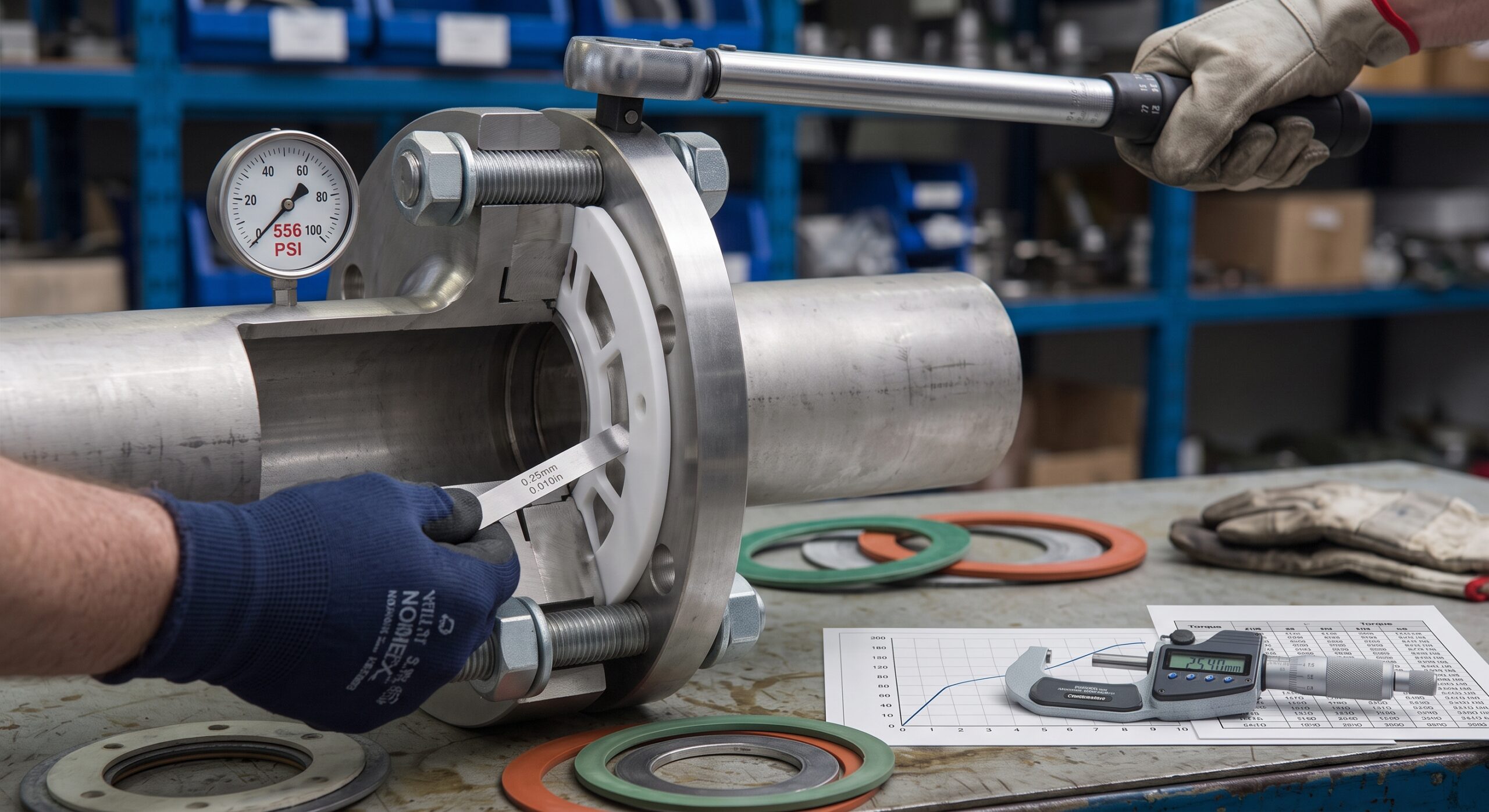
Flange Sealing Explained: How a Gasket Actually Holds Pressure
A flange gasket does more than sit between two metal faces. It has to maintain enough pressure across the joint to stop fluid or gas from finding a path out....
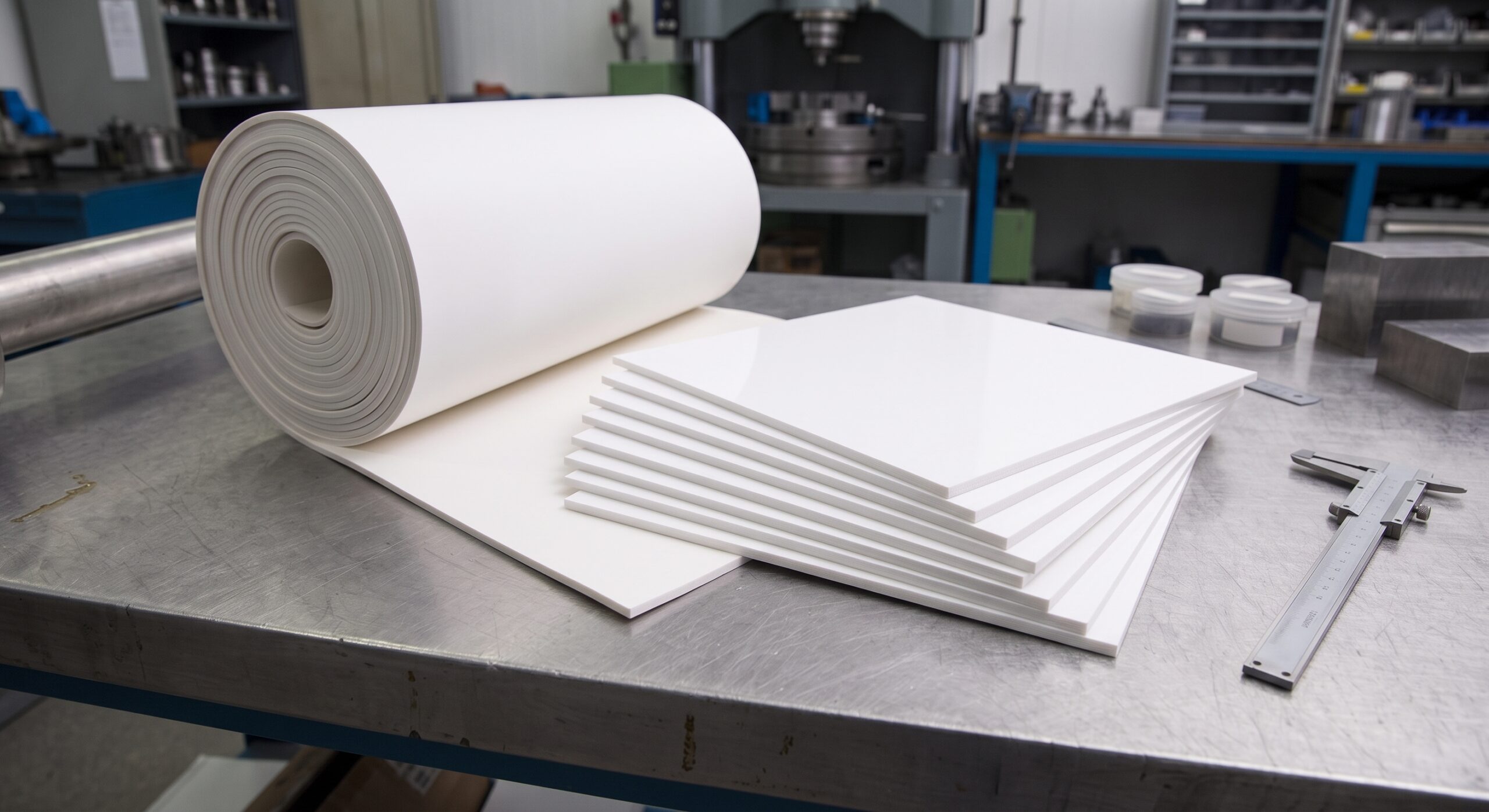
FDA Compliance, Certifications, and Regulatory Requirements for Food Processing Gaskets
A gasket that leaks or wears out is bad enough on a production line. One that fails a food safety audit because the material was never rated for food contact...
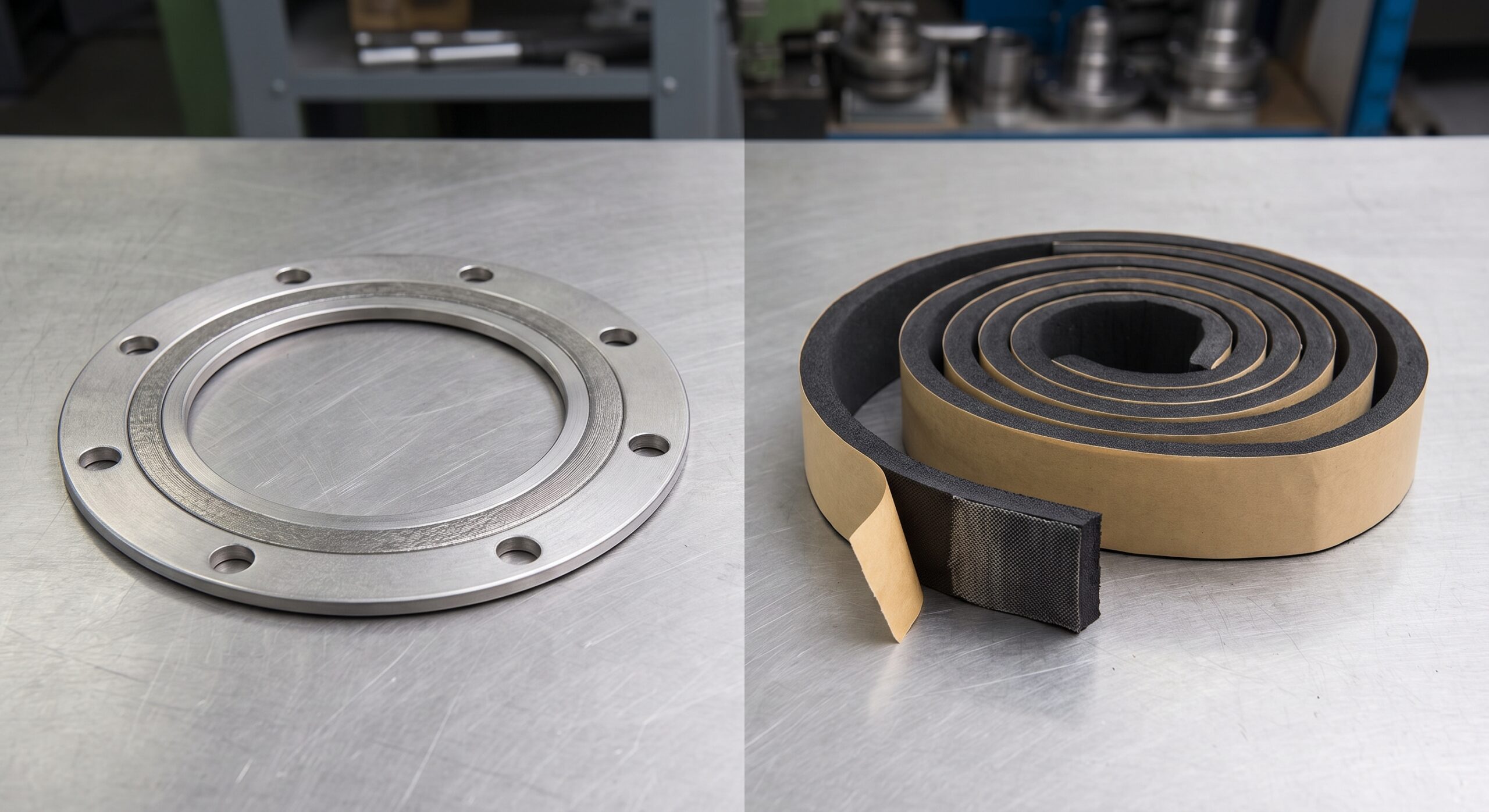
Gasket vs Seal: Static and Dynamic Sealing Compared
Ask five people on a job site to explain the difference between a gasket and a seal, and you’ll likely get five different answers. Understanding gasket vs. seal terminology and...
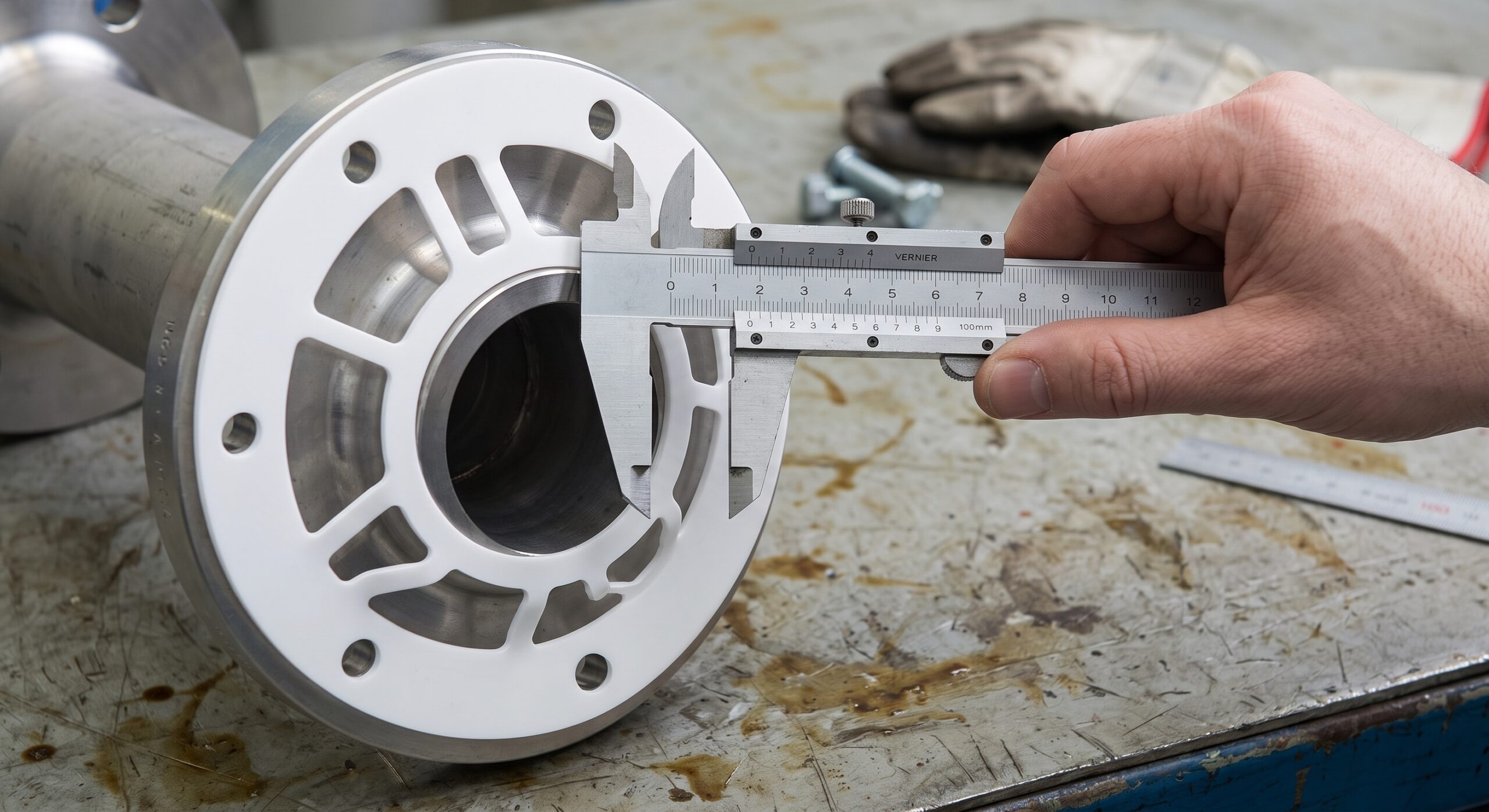
How to Measure a Flange Gasket in Six Steps
Getting a flange gasket wrong by even a few millimetres can mean a leaking joint, a failed pressure test, or an unplanned shutdown. How to measure a flange gasket properly...