Graphite Gaskets vs Fibre (CNAF) Gaskets: High Temperature Sealing Compared
Home » Graphite Gaskets vs Fibre (CNAF) Gaskets: High Temperature Sealing Compared
27 Aug, 2026
Graphite Gaskets vs Fibre (CNAF) Gaskets: High Temperature Sealing Compared
Specifying the wrong gasket for a high-temperature application can mean unplanned downtime, damaged flanges, and even a safety incident.
Two of the most commonly specified non-metallic sealing materials for heat-intensive service are graphite and compressed non-asbestos fibre (CNAF). Both are capable, asbestos-free, and appear frequently in mining, oil and gas, food and beverage, and wastewater systems across Australia. But the graphite gasket temperature range and the CNAF gasket temperature range are meaningfully different, and so are their strengths and limitations.
Here’s a straight comparison.
Quick Answer
Graphite gaskets handle continuous service up to around 450–500°C in oxidising atmospheres, and far higher in inert or low-oxygen conditions
The CNAF gasket temperature range typically tops out at around 400°C, depending on grade
Both are asbestos-free, widely specified in Australian industry, and available in sheet or custom-cut form.
Choosing between them comes down to operating temperature, pressure, chemical exposure, and cost.
For applications exceeding 450°C, semi-metallic options such as spiral-wound gaskets are worth considering, while extreme-heat service up to 1000°C calls for specialised materials like Garlock Therma-Pur® 4122 FC
What Is a Graphite Gasket?
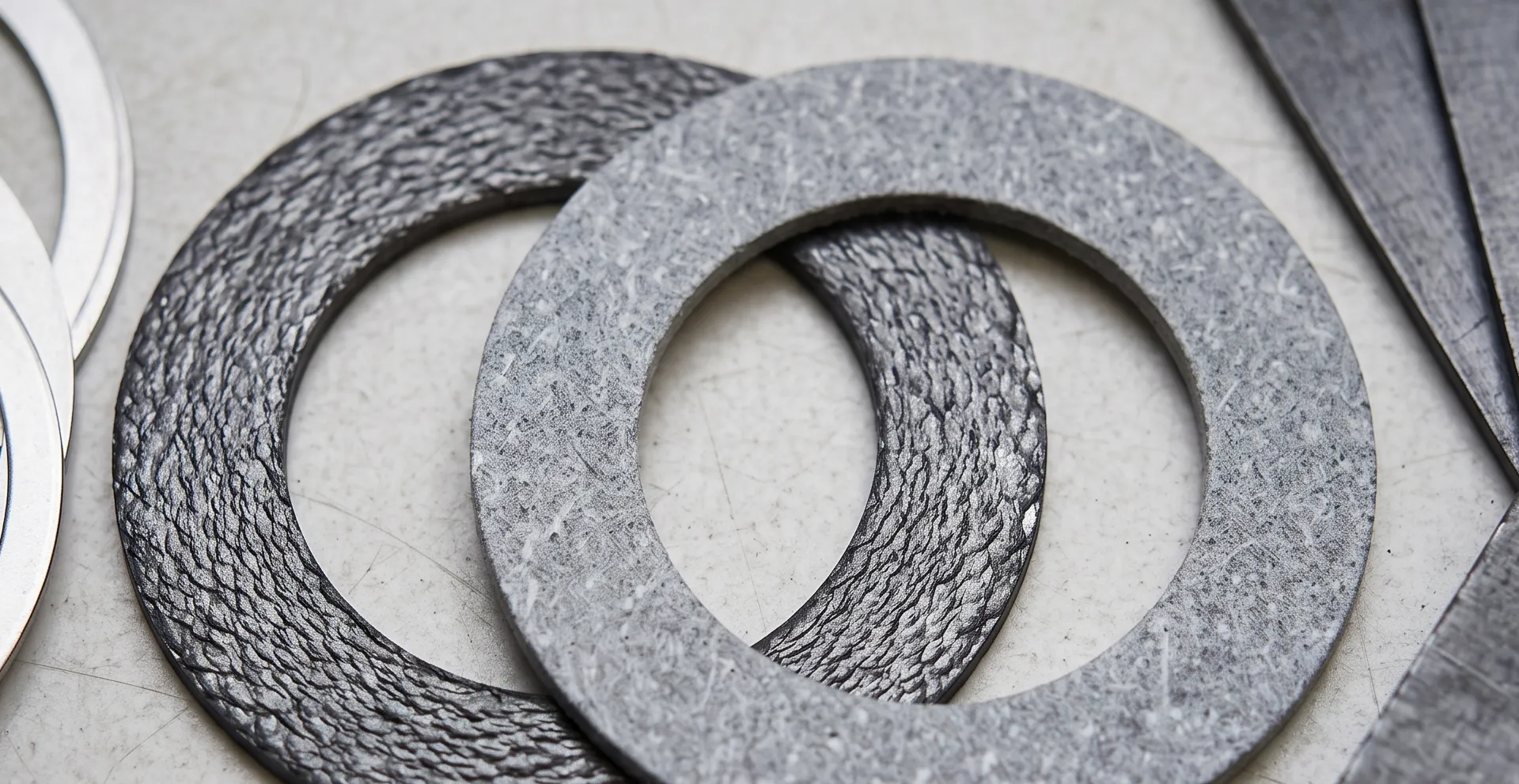
Flexible graphite gaskets are made from expanded graphite, which is a natural graphite that’s been chemically treated to force the atomic layers apart, then compressed into sheet form. The result is a soft, conformable material that seals well under relatively low bolt loads and adapts to minor flange imperfections without needing high clamping force.
Because graphite is a form of carbon rather than a polymer or rubber compound, it doesn’t rely on a binder that can degrade at temperature. That’s why the practical upper-temperature limit for flexible graphite is around 399°C (750°F) in oxidising atmospheres, with some grades reaching 482°C (900°F). In non-oxidising or inert service, flexible graphite may still be applicable at temperatures far exceeding those limits, though this depends on the absence of oxygen.
Reinforced grades (where the graphite sheet is laminated with a stainless steel tang or foil core) bring tensile strength up from around 700 psi to a more practical 5,000 psi, making them suitable for higher-pressure flanges without sacrificing thermal performance. Tanged graphite is the standard choice in refineries, power stations, and high-pressure steam systems.
Graphite degrades when exposed to oxygen above 500°C. If your application runs in oxidising air above that point, graphite isn’t the right call.
What Is a CNAF Gasket?
CNAF stands for Compressed Non-Asbestos Fibre. These gaskets are made from synthetic and organic fibres bonded with a rubber binder (usually NBR or HNBR) and compressed into sheet form. They were developed as a direct replacement for asbestos sheet gaskets after asbestos was phased out of industrial sealing in Australia and globally.
Modern CNAF grades use aramid, glass, and carbon fibres bonded with NBR or HNBR, balancing cost, conformability, and heat resistance better than any other material in their class.
The CNAF gasket temperature range varies by grade. Typical non-asbestos gaskets can withstand temperatures up to 400°C and pressures up to 140 bar, though exact ratings vary by grade. Standard grades used for water, steam, and general process service tend to operate comfortably up to 300–350°C, while higher-spec grades with graphite or vermiculite reinforcement can approach 400°C.
The rubber binder is CNAF’s main limitation at elevated temperatures. Once introduced to elevated temperatures or steam, CNAF gaskets can become brittle due to their elastomer-based binder. When a gasket becomes brittle, it loses its ability to recover. Under cyclic conditions, this can cause leaks, and if a gasket is retightened after exposure to high temperatures, it can fracture.
Graphite Gasket Temperature Range vs CNAF Gasket Temperature Range
Here’s how the two materials compare directly across the key performance criteria:
Graphite
CNAF
Temperature range
Up to ~450–500°C (oxidising); higher in inert service
Up to ~400°C depending on grade
Pressure rating
Up to 250 bar (reinforced grades)
Up to ~140 bar
Chemical resistance
Excellent — steam, hydrocarbons, most acids
Good — oils, water, steam, mild chemicals
Bolt load required
Low — conforms easily to flange surface
Moderate
Creep relaxation
Very low
Moderate (higher in thermal cycling)
Cost
Higher than CNAF
Lower — cost-effective for general use
Best for
Refineries, boilers, superheated steam, exhaust systems
Steam lines, process piping, general industrial
The practical gap between the two narrows at moderate temperatures. For anything running below 300°C with standard process media, quality CNAF performs reliably and at a lower cost. As operating temperatures climb above 350°C, graphite starts to pull ahead on stability and creep resistance.
When to Choose Graphite Over CNAF
The graphite gasket temperature range makes it the right choice when:
Continuous temperatures exceed 350–400°C, particularly in boilers, heat exchangers, and superheated steam lines
Thermal cycling is frequent. Graphite maintains its seal through repeated heat-and-cool cycles without the brittleness risk that affects CNAF’s rubber binder
Flange surfaces are imperfect. Graphite’s conformability under low bolt load helps it fill surface irregularities that would cause CNAF to leak
The application involves hydrocarbons at elevated temperature, common in oil and gas and refinery service
Fire safety is a specification requirement. Many graphite grades are API 607 fire-tested
When CNAF Is the Better Fit
The CNAF gasket temperature range covers most general industrial sealing requirements, and it has real advantages where graphite isn’t necessary:
Cost-sensitive applications. CNAF is significantly cheaper per square metre than graphite, which matters when you’re running high gasket replacement volumes
General steam and water service below 350°C. CNAF’s conformability and sealing performance are well-proven in these conditions
Wide chemical compatibility. Good resistance to oils, fuels, alkalis, and mild acids makes it versatile across process industries
Compatibility with imperfect flanges. CNAF handles slightly uneven or pitted flange surfaces well within its operating range
What About More Demanding Applications?
If your operating conditions push beyond what either graphite or CNAF can handle, there are specialised materials engineered specifically for extreme heat.
Garlock Therma-Pur® 4122 FC is built for exactly this scenario, rated across a temperature range of -40°C to 1000°C. It’s engineered using Garlock’s proprietary Therma-Pur® technology to outperform traditional compressed fibre, graphite, or PTFE gaskets in the most punishing heat and chemical environments, including turbines and exhaust systems, boilers and heat exchangers, refining and petrochemical plants, and turbocharger equipment. Beyond its heat tolerance, it offers broad chemical resistance to aggressive substances like titanium tetrachloride and molten salts, strong oxidation stability, and a water-repellent, electrically insulating surface that helps prevent galvanic corrosion between dissimilar flange metals.
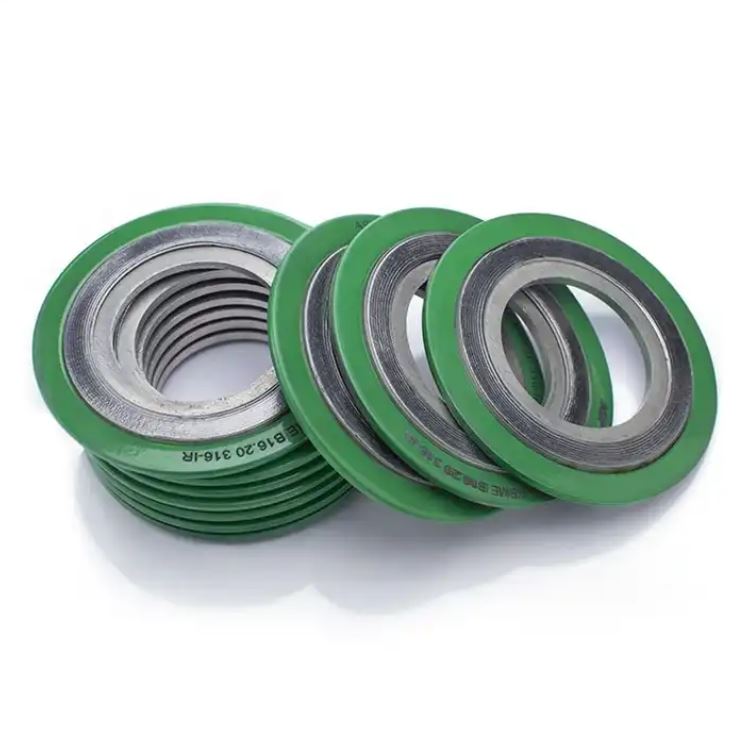
For high-pressure, high-temperature flanges, spiral-wound gaskets remain the standard, combining a stainless-steel winding strip with a flexible graphite or PTFE filler to achieve pressure ratings well above those of sheet gaskets.
For lower-pressure applications where you need a cost-effective sheet material, paper gaskets work well in low-temperature, low-pressure service, but they’re not a substitute for CNAF, graphite, or Therma-Pur in any elevated-temperature application.
Industrial Experts: Graphite and CNAF Gaskets, Shipped Australia-Wide
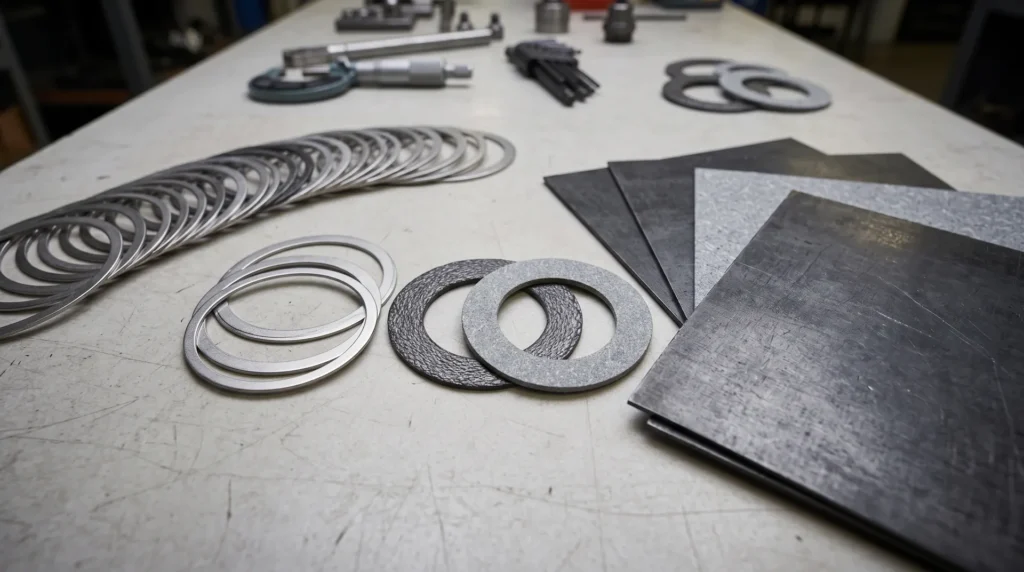
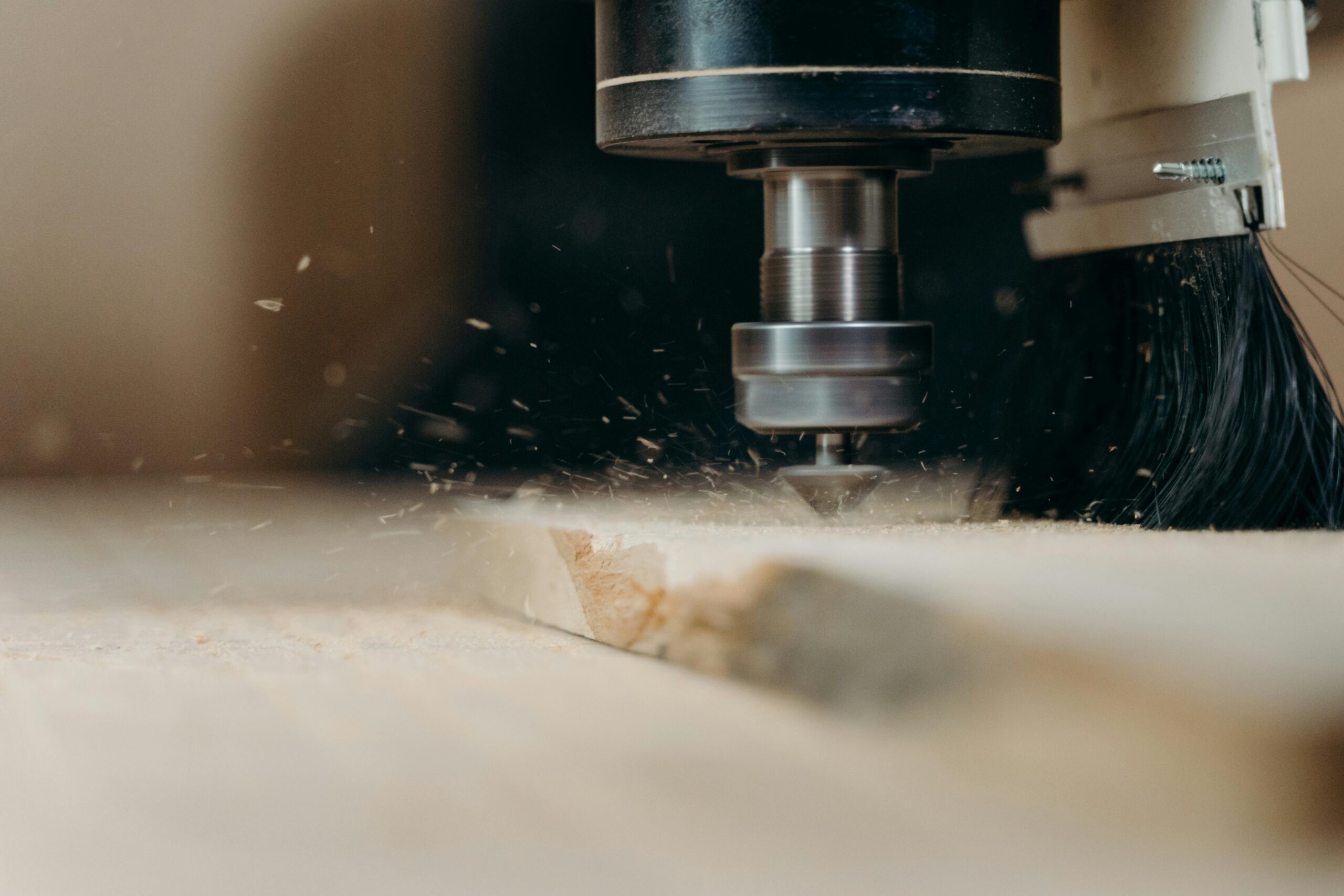
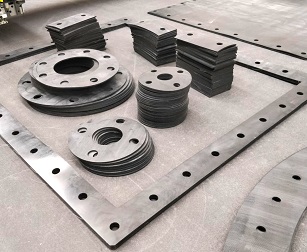
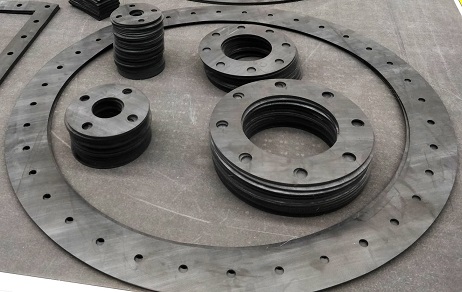
Industrial Experts stocks both tanged graphite and CNAF gasket sheets, with in-house CNC cutting to ±0.1mm precision. Whether you need standard flange sizes or a custom profile from a CAD file or sample, orders are cut on-site with fast dispatch across Australia:
Small quantity: Same or next day (in-stock items ordered before 12pm dispatch same day)
Bulk quantity: 3-5 business days
Contact the team at sales@industrialexperts.com.au or call 0400 762 823 to discuss your application. We can confirm material suitability, check stock, and provide a quote before you order.




 28 Oct, 2025
 5 Nov, 2025