Flange Sealing Explained: How a Gasket Actually Holds Pressure
Home » Flange Sealing Explained: How a Gasket Actually Holds Pressure
19 Sep, 2026
Flange Sealing Explained: How a Gasket Actually Holds Pressure
A flange gasket does more than sit between two metal faces. It has to maintain enough pressure across the joint to stop fluid or gas from finding a path out.
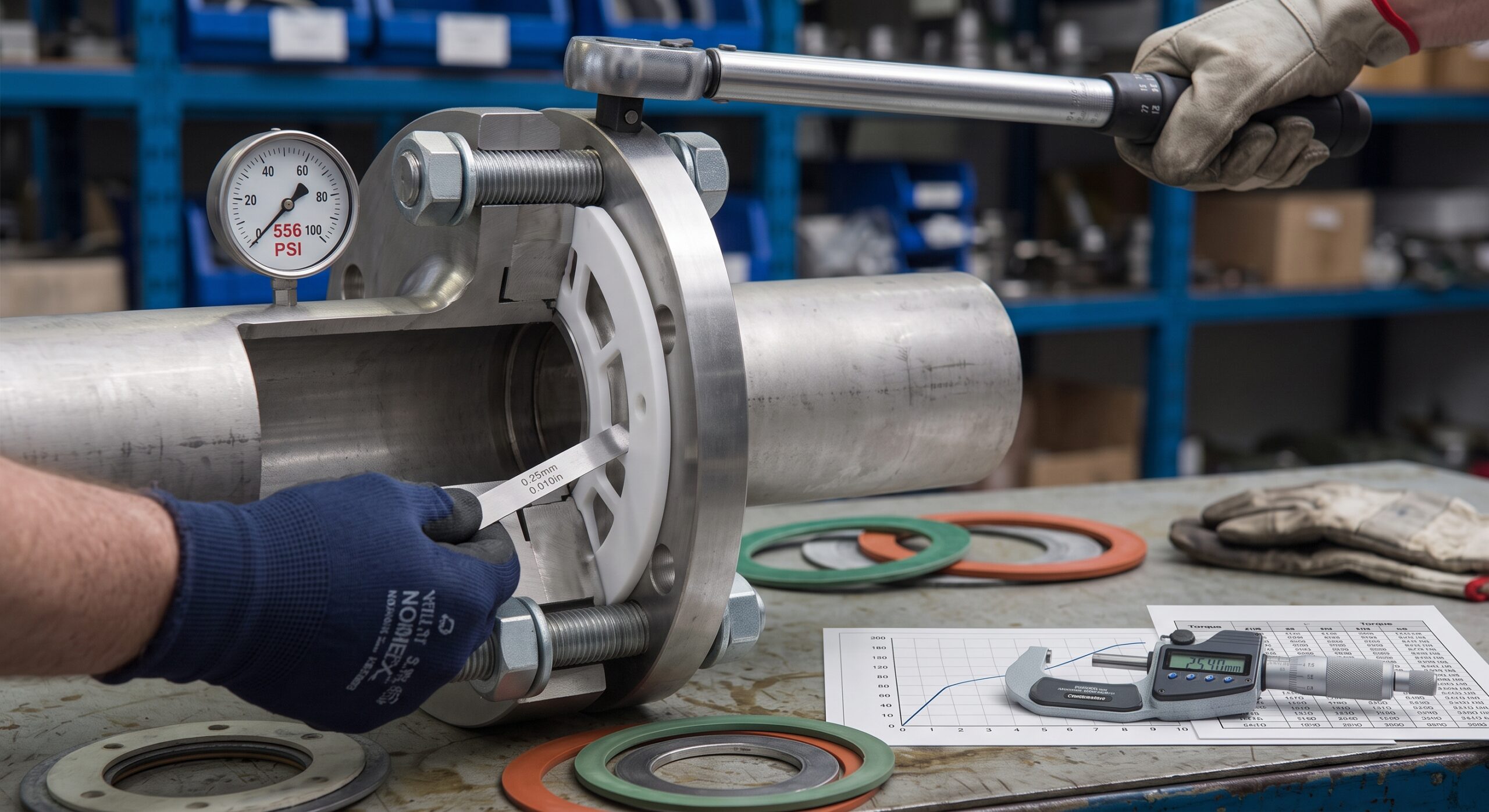
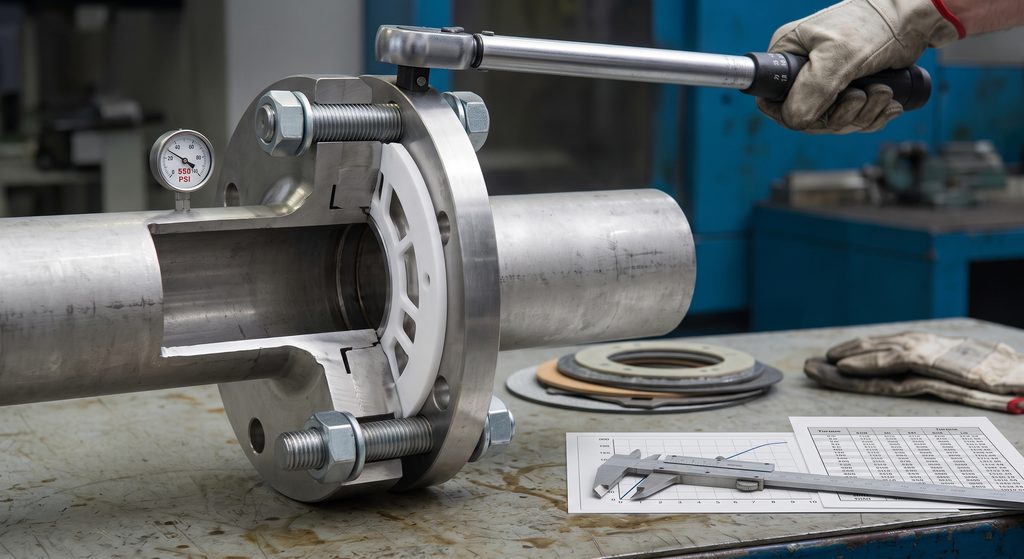
That is the basis of effective flange sealing. The bolts compress the gasket into the surface imperfections of both flange faces, creating the seal. If the material, torque or flange condition is wrong, that seal breaks down and leakage follows.
This guide explains how a gasket holds pressure, why flange seals fail, and how to match the gasket to the operating conditions.
Quick Answer
A gasket seals a flange by compressing into the tiny surface imperfections on both flange faces, creating a barrier that the internal pressure can’t push through.
The bolts must apply enough compressive force, known as seating stress, to exceed the internal pressure that would otherwise force the gasket out.
Common flange seal failures trace back to the wrong material, incorrect bolt torque or a damaged flange face, rather than a defective gasket.
Rubber, EPDM, spiral wound, and compressed fibre gaskets each suit different pressure and temperature ranges.
How a Flange Seal Actually Holds Pressure
A flange joint is sealed by squeezing a gasket between two bolted faces until it flows into the microscopic grooves and scratches on each surface. That compression, known as seating stress, must remain higher than the internal pressure pushing outward from within the pipe or vessel.
Once the gasket loses the seating stress needed for that joint, leakage begins. This is why the bolt-tightening sequence and torque values matter as much as the gasket material itself. Gases generally need a tighter seal than liquids, since smaller gas molecules find their way through gaps that liquids can’t.
What Makes a Flange Seal Fail?
Most flange leaks come down to a handful of avoidable issues:
Wrong material for the application: A gasket rated for water won’t necessarily handle oil, chemicals, or high temperatures.
Incorrect torque: Under-tightened bolts leave the gasket unseated, while over-tightening can crush or extrude soft materials out of the joint.
Damaged or uneven flange faces: Pitting, rust, or old gasket residue prevent a clean seal.
Gasket creep: Rubber and fibre gaskets can relax over time, particularly through heating and cooling cycles. Where the gasket type and joint procedure allow it, re-torquing after the initial heat cycle restores lost bolt load.
Choosing the Right Gasket Material
Material choice for flange sealing depends on the pressure, temperature, and media involved.
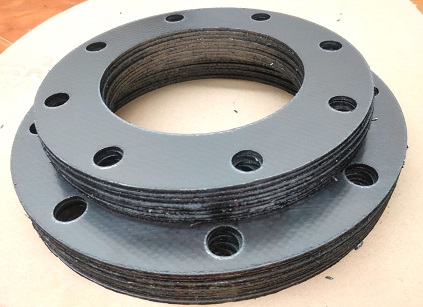
For general water, air, and low-pressure sealing, rubber gasket material offers flexibility and easy cutting to size.
For outdoor, water, and steam exposure, EPDM rubber sheet holds up well against weathering and moderate chemicals.
For higher-pressure and temperature process lines, we’re an experienced spiral wound gasket supplier, supplying semi-metallic gaskets that handle far greater loads than soft elastomers.
For lighter-duty and general-purpose applications, our paper gasket maker service produces custom paper and fibre gaskets to suit workshop, machinery and equipment sealing requirements.
Match the gasket to the flange rating and the media. A correctly chosen material at the wrong pressure class will still fail under load.
Not sure which gasket suits your flange? As a trusted gaskets Australia supplier, send us the flange size, pressure rating, and media, and we’ll recommend the right material and thickness before you order.
Industrial Experts: Gaskets Australia-Wide
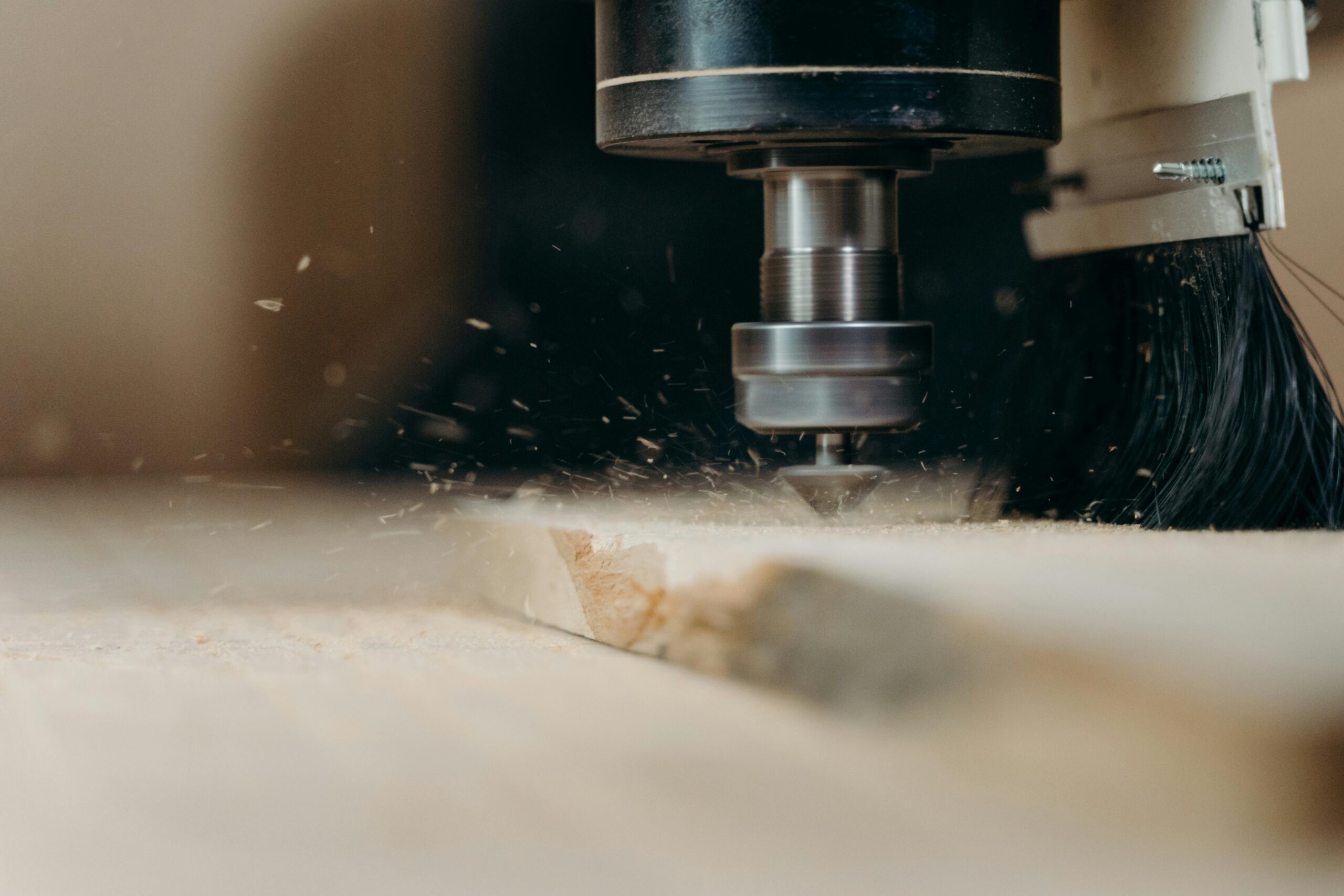
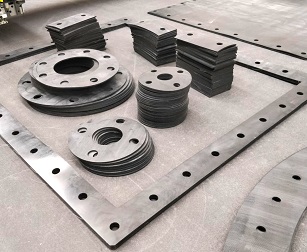
Industrial Experts manufactures and supplies flange gaskets from our Truganina, Melbourne facility, with in-house CNC cutting for accurate, repeatable sizing. We also stock semi-metallic and specialty materials for higher-spec jobs.
We ship Australia-wide, with delivery times depending on your state and your proximity to our Melbourne dispatch point.
State
Estimated Delivery
Victoria (VIC)
Around 1–5 business days
New South Wales (NSW)
Around 2–8 business days
Australian Capital Territory (ACT)
Around 2–5 business days
South Australia (SA)
Around 2–9 business days
Tasmania (TAS)
Around 3–10 business days
Queensland (QLD)
Around 4–12 business days
Western Australia (WA)
Around 6–15 business days
Northern Territory (NT)
Around 7–16 business days
Metro hubs tend to sit at the faster end of these ranges, with regional and remote or mine site locations taking longer.
Whether you’re replacing a single flange gasket or setting up an ongoing supply arrangement, we can help you get the material and pressure rating right. Contact Industrial Experts or request a quote to get started.



 28 Oct, 2025
 5 Nov, 2025