Gasket Solutions for Corrosive Chemical Environments (Acids, Bases, Solvents)
Home » Gasket Solutions for Corrosive Chemical Environments (Acids, Bases, Solvents)
18 Nov, 2025
Gasket Solutions for Corrosive Chemical Environments (Acids, Bases, Solvents)
Are Your Seals Failing in Harsh Chemical Processing?
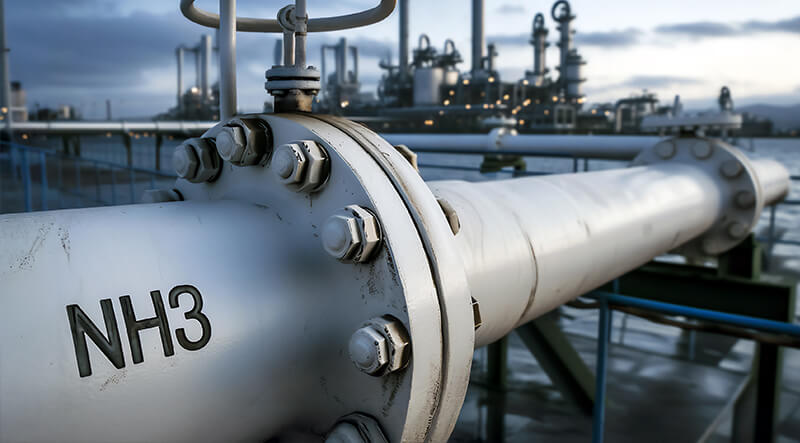
If you work in chemical processing, petrochemical plants, or industrial manufacturing, you know the stress that gasket failures can cause. Leaks, downtime, safety risks, and costly maintenance are constant concerns, especially when your systems deal with acids, bases, or aggressive solvents. Choosing the wrong gasket material can result in rapid degradation, contamination, and even regulatory non-compliance.
This guide will help you understand gaskets for corrosive chemicals, explore which materials are most suitable, and provide practical advice on selecting the right gasket for your specific chemical environment.
What Are Corrosive Chemical Environments?
Corrosive chemical environments are those where the medium – whether acid, base, or solvent – can attack, swell, or degrade gasket materials. In industrial settings, these include:
Mixed chemical streams in petrochemical or pharmaceutical processes.
These environments create extreme demands on sealing materials. Choosing a gasket that can withstand these challenges is critical for system integrity and safety.
Why Do Standard Gaskets Fail in Chemical Applications?
Not all gaskets are created equal. Many common rubber or fibre gaskets fail when exposed to corrosive chemicals due to:
Chemical attack causing surface erosion or cracking.
Swelling or softening that reduces sealing effectiveness.
Compression set that prevents the gasket from returning to shape.
Leaching or contamination of the process media.
Real-world examples:
A PTFE gasket in a strong caustic line can deform if improperly supported.
Nitrile rubber gaskets exposed to solvents can swell, leak, and require frequent replacement.
Without proper material selection, even a small leak can result in production losses, safety hazards, and costly repairs.
What Performance Properties Must a Chemical-Resistant Gasket Have?
When selecting gaskets for corrosive chemicals, look for:
Chemical resistance: Compatibility with acids, bases, and solvents.
Temperature tolerance: Ability to withstand operational heat without degradation.
Compression set resistance: Ensures the gasket maintains its seal under load.
Longevity: Durable performance to minimise replacements.
Key standards and tests that indicate suitability include ASTM chemical resistance ratings, FDA or USP compliance for food/pharma, and high-pressure steam compatibility tests.
Which Gasket Materials Work Best for Acids, Bases, and Solvents?
Acids: What Materials Offer the Best Protection?
Acidic environments require gaskets that resist chemical attack and maintain integrity under pressure and temperature fluctuations. Top-performing materials include:
FKM (Viton): Excellent acid resistance and high-temperature tolerance.
FFKM (Perfluoroelastomer): Near-universal chemical resistance, ideal for aggressive acids.
PTFE and FEP: Non-reactive and suitable for high-purity systems.
Graphite: For extreme temperature and pressure applications.
Each material has trade-offs in cost, flexibility, and installation ease, so selection should match both chemical exposure and operational requirements.
Bases: How to Prevent Rapid Degradation
Strong bases like sodium hydroxide can attack many standard rubber gaskets. Recommended materials include:
FEPM (Aflas): Highly resistant to caustic solutions and steam.
FFKM: Suitable for harshest alkaline conditions.
PTFE: Stable in strong bases, non-swelling.
EPDM: Good for moderate caustic exposure but limited at high temperatures.
Choosing the right gasket for corrosion chemicals ensures system longevity and avoids unexpected leaks or emergency shutdowns.
Solvents: What Stops Swelling and Leaching?
Organic solvents are particularly aggressive on certain elastomers. Materials that perform well include:
FKM: Handles hydrocarbons, oils, and most organic solvents.
PTFE: Excellent chemical inertness, non-swelling.
FFKM: Premium option for multi-solvent streams and extreme temperatures.
Silicone rubber sheets: Useful in specific low-pressure, solvent-exposed systems.
Solvent-resistant gaskets minimise downtime, reduce maintenance costs, and maintain process safety.
What Else to Consider for Chemical-Resistant Gaskets
Even high-quality chemical-resistant gaskets can fail if external factors aren’t addressed:
Surface finish and flange preparation: Ensure contact surfaces are smooth, clean, and flat to prevent leak paths.
Bolt torque and tightening sequence: Uneven compression can create stress points and early gasket failure.
Process fluctuations: Changes in temperature, chemical concentration, or pressure can affect gasket performance over time.
Storage and handling: Many chemical-resistant gaskets are sensitive to UV or extreme cold before installation.
By considering what is the best gasket for corrosive chemicals alongside these factors, you can maximise gasket lifespan and reduce the risk of failure. For the most demanding processes, premium elastomer gaskets for petrochemical applications offer superior resistance to acids, bases, and solvents, making them ideal for situations where failure is not an option.
How Can You Select the Optimal Gasket for Your Application?
So, what is the best gasket for corrosive chemicals? Selecting the right gasket involves evaluating multiple factors:
Chemical type: Identify acids, bases, or solvents present.
Temperature range: Ensure the gasket material performs under maximum operational heat.
Pressure conditions: Check that the material can maintain a seal under expected system pressures.
Safety and compliance: Use FDA or industry-standard materials when needed.
Installation environment: Consider accessibility, maintenance schedules, and equipment vibration.
Common Mistakes to Avoid When Using Gaskets for Corrosive Chemicals
Even the best chemical-resistant gaskets can fail if improperly used. Understanding common pitfalls can save time, money, and prevent safety hazards:
Ignoring chemical compatibility: Using a gasket not rated for your specific acid, base, or solvent can lead to swelling, cracking, or complete failure. Always consult chemical compatibility charts.
Overlooking temperature limits: Gaskets may perform well chemically but fail under high temperatures if not rated properly. Thermal degradation can compromise the seal.
Improper installation: Uneven bolt torque, misaligned flanges, or insufficient surface preparation can create leak paths even with the right material.
Reusing old gaskets: Once compressed or chemically exposed, gaskets often lose their integrity. Always use fresh, appropriate gaskets.
Neglecting maintenance schedules: Regular inspections can catch early signs of chemical attack or wear before catastrophic leaks occur.
Pro Tip: Partnering with an experienced industrial gasket supplier ensures you avoid these mistakes.
Advanced Gasket Options for Demanding Chemical Applications
Gaskets for corrosive chemicals need to withstand extreme chemical attack, high temperatures, and pressure fluctuations without compromising seal integrity. Industrial Experts offers a range of gasket solutions for chemical environments designed to meet these challenges head-on.
For applications requiring durability and chemical resistance, paper gaskets and Garlock products provide reliable performance in moderate temperature and pressure settings, while remaining cost-effective. For high-pressure or high-temperature operations, working with a trusted spiral wound gasket manufacturer ensures you get precision-engineered gaskets that maintain integrity even in the most aggressive conditions.
Industrial Experts: Your Partner for Reliable Chemical-Resistant Gasket Solutions
Industrial Experts specialises in providing gasket solutions for chemical environments, ensuring safety and reliability for industrial operations. Their expertise spans:






 28 Oct, 2025
 5 Nov, 2025