Summary
When comparing gasket material options, the right choice prevents leaks, ensures safety, and maximises efficiency. The best gasket material depends on temperature, pressure, chemical resistance, and industry needs. In Australia, industries like mining, food and beverage, oil and gas, and HVAC demand different solutions.
Choosing the right gasket material can feel overwhelming because so many types are available, each designed to perform under different conditions. From sealing pipes in food processing plants to handling extreme heat in mining and power generation, the gasket you choose directly affects safety, efficiency, and compliance. This gasket material guide introduction highlights the importance of gasket materials in industrial settings and sets the stage for a detailed explanation that helps you make confident, informed decisions.
What is a Gasket?
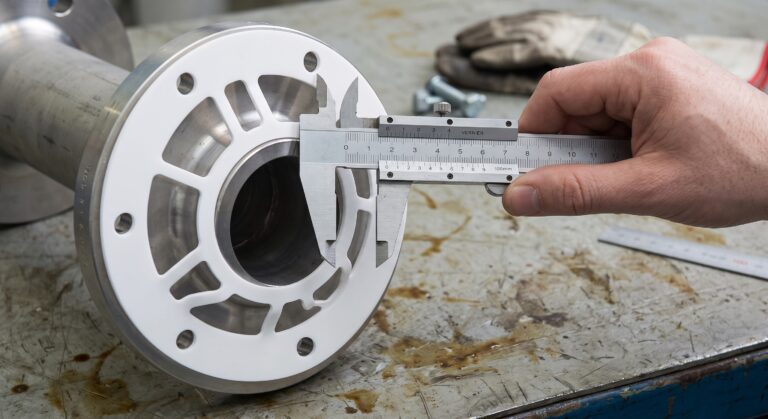
A gasket is a mechanical sealing component placed between two surfaces to prevent leaks of gases or liquids under compression. It fills surface irregularities, creating a barrier that maintains pressure and ensures safe operation across industrial equipment.
How Does a Gasket Work?
A gasket works by being compressed between flanges or joints, forming a tight seal that blocks the passage of fluids or gases. The effectiveness depends on the material, pressure, and temperature conditions, so selecting the right gasket material is critical for performance and safety.
Why Gasket Material Choice Matters
Gaskets seal surfaces under compression, keeping fluids and gases contained. Using the wrong material leads to damage, downtime, and compliance risks. In Australia’s demanding industrial environment, selecting the right gasket is essential for safety, cost control, and operational performance.
Key Factors When Choosing a Gasket Material
Temperature resistance
Graphite and PTFE handle high temperatures, while rubber suits lower ranges.
Temperature is one of the most important factors when choosing a gasket. High temperature processes like steam systems or power generation demand materials like graphite and PTFE, which retain their strength under heat. Rubber gaskets are suitable for lower temperature ranges such as plumbing or HVAC applications where extreme heat isn’t a concern.
Pressure capacity
Metallic, composite, and some specially engineered paper or fibre gaskets endure higher pressures.
When equipment operates under intense pressure, choosing a material rated for those conditions is essential. Metallic and composite gaskets provide exceptional sealing strength, making them ideal for oil and gas pipelines, refineries, and heavy machinery. Certain treated paper and fibre gaskets can also handle high pressure and temperature, offering a cost‑effective solution for automotive and industrial equipment where metal gaskets may not be necessary.
Chemical compatibility
PTFE and graphite resist harsh chemicals.
Exposure to aggressive acids, solvents, or alkalis can degrade unsuitable materials quickly. PTFE, with its inert properties, and graphite, with its stability, are both excellent choices for chemical processing, pharmaceutical plants, and environments where resistance to corrosive media is essential.
Application environment
UV, saltwater, or abrasive exposure requires neoprene or EPDM.
Outdoor or marine environments bring unique challenges like constant UV rays, saltwater, and abrasive conditions. Neoprene and EPDM gaskets stand up to these elements, making them the preferred choice in shipbuilding, marine equipment, and outdoor construction projects.
Compliance
Food and pharmaceutical sectors require FDA-approved gaskets.
Compliance with safety standards is critical in highly regulated industries like food, beverage, and pharmaceuticals. FDA-approved silicone and PTFE gaskets ensure hygiene, resist cleaning chemicals, and prevent contamination, keeping businesses aligned with strict Australian and international standards.
Cost vs performance
A durable choice may reduce long-term expenses.
Although some gasket materials may appear cheaper initially, investing in higher quality options can save money over time. Materials with higher durability reduce downtime, minimise replacement frequency, and ensure equipment operates efficiently, lowering total cost of ownership.
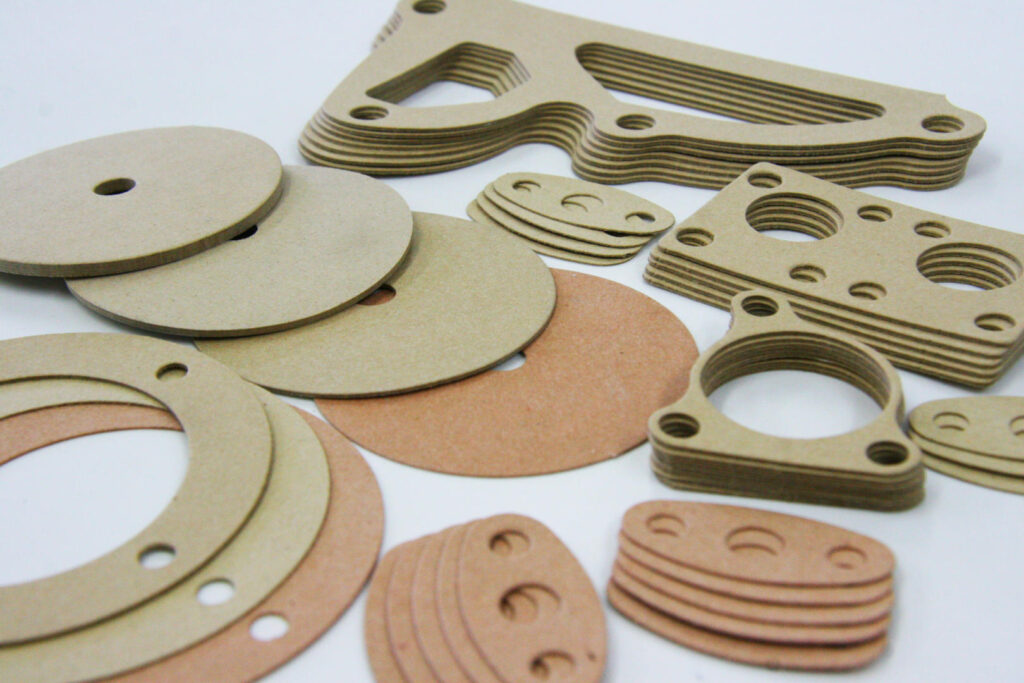
Gasket Material Guide
- Rubber Gaskets: Including NBR, EPDM, neoprene, silicone, and Viton, rubber gaskets are versatile, flexible, and common in HVAC, construction, and manufacturing.
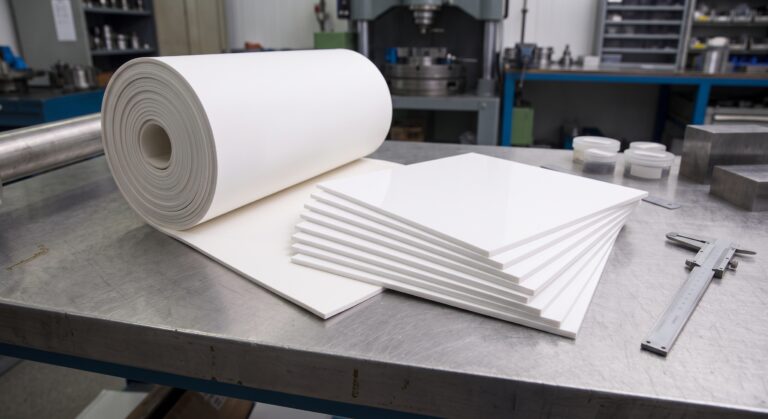
- Paper Gaskets: Low cost, best for light machinery and pumps, though not suited for high demand.
- PTFE (Teflon) Gaskets: Chemically inert, FDA compliant, ideal for food, pharma, and chemical plants.
- Graphite Gaskets: High-temp and pressure resistant, used in power, oil and gas, and boiler systems.
- Metallic Gaskets: Spiral wound and ring joint, engineered for mining, petrochemical, and refineries.
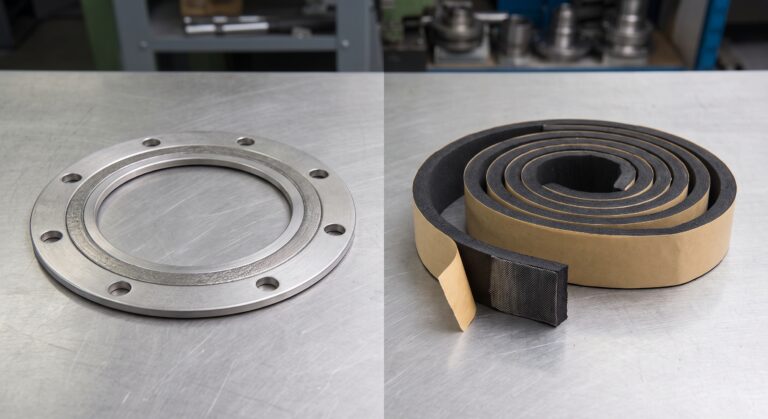
- Foam Tape: Effective for HVAC and electronics, preventing dust, air, and moisture ingress.
Material vs Properties Snapshot
|
Material |
Temp Range |
Chemical Resistance |
Typical Uses |
|
Rubber |
–40 °C to 200 °C |
Moderate |
HVAC, construction |
|
Paper |
Up to 350°C |
Moderate |
Light machinery |
|
PTFE |
Up to 260 °C |
Excellent |
Food, chemical, pharma |
|
Graphite |
500 °C+ |
High |
Boilers, oil & gas |
|
Metallic |
Extremely high |
Excellent |
Mining, refineries |
|
Foam Tape |
Variable |
Low to moderate |
HVAC, electronics |
Industrial Applications in Australia
Gasket materials are not one-size-fits-all, and each Australian industry faces unique challenges that demand specific sealing solutions. From meeting hygiene standards in food processing plants to withstanding high pressure in oil and gas, or dealing with abrasive conditions in mining, the right gasket material ensures both compliance and reliable performance.
|
Industry |
Best Materials |
Why |
|
Food & Beverage |
PTFE, silicone |
FDA-approved, hygienic |
|
Mining |
Rubber, graphite |
Abrasion and heat resistance |
|
Oil & Gas |
Metallic, graphite, PTFE |
Handles extreme pressure, corrosives |
|
HVAC |
Foam tape, rubber |
Flexible, efficient seals |
|
Construction |
Rubber, paper |
Affordable, durable |
|
Power Generation |
Graphite, metallic |
Thermal cycling stability |
|
Marine |
Neoprene, EPDM |
Saltwater and UV resistance |
How to Choose the Right Gasket Material
Choosing the right gasket material involves a structured process, and following a step by step approach helps ensure the final choice delivers safety, efficiency, and compliance.
- Examine your operating environment: Note the precise temperature range, system pressure, and the type of fluid or gas the gasket will contact. Are you sealing against steam, corrosive chemicals, or pressure differentials? These variables heavily influence material compatibility.
- Match material properties to conditions: Use industry-standard compatibility charts to identify materials that withstand your specific conditions—whether that’s PTFE’s chemical resistance, graphite’s thermal stability, or metal’s high-pressure durability.
- Check regulatory compliance and industry standards: Ensure materials meet AS/NZ, FDA, or other relevant regulations required in your sector. Food, pharmaceutical, and potable water applications, for example, demand materials with rigorous safety credentials.
- Weigh cost versus longevity: Assess long-term value over upfront cost. While compressed fibre or rubber may cost less initially, a more expensive, durable gasket could reduce downtime and maintenance in the long run.
- Prototype and test where possible: Especially for bespoke or critical applications, order a small batch or request sample seals to perform field testing. It’s a low-risk way to confirm performance before committing to larger-scale production.
Why Choose Industrial Experts?
Industrial Experts supply a wide range of high quality industrial gaskets for Australian industries. Our team also design and cut custom gaskets with precision CNC equipment. From foam tape to paper gaskets and rubber gaskets, we provide fast turnaround and no minimum order requirements.
With technical advice and reliable service, we deliver gasket solutions that keep operations efficient and compliant.
Key Takeaways
- Always match gasket material to operating conditions, including temperature, pressure, and media.
- PTFE, graphite, rubber, paper, foam tape, and metallic gaskets each serve unique industrial purposes.
- Compliance with Australian and international standards ensures safety and reliability.
- Balancing cost and performance leads to long-term efficiency and fewer replacements.
- Work with experienced suppliers like Industrial Experts for custom advice and solutions tailored to your application.
FAQs
Graphite, metallic gaskets, and advanced materials like Garlock Therma‑Pur 4122 FC are excellent for high‑temperature applications. Graphite withstands heat up to 500 °C while maintaining flexibility, making it ideal for power generation and oil refineries. Metallic gaskets, such as spiral wound or ring joint,s handle intense heat and high pressure, ensuring long‑term sealing performance. Garlock Therma‑Pur is engineered for extreme service and can operate at temperatures up to 1000 °C, offering exceptional reliability for the most demanding applications.
PTFE gaskets excel at chemical resistance. They remain stable and inert when exposed to aggressive acids, solvents, and alkalis, which is why they are widely used in chemical plants and pharmaceutical production. Modified or filled PTFE options offer even greater chemical resistance and improved mechanical properties, making them the preferred choice in extremely harsh chemical environments. PTFE also withstands high temperatures, giving it an advantage over many softer materials.
Paper gaskets are a cost‑effective option commonly used in automotive engines, water pumps, and light machinery. While rubber gaskets are generally preferred for low‑temperature and low‑pressure applications, many modern paper and fibre gasket materials are engineered to withstand higher temperatures and pressures. This makes them a practical solution for automotive, agricultural, and some heavy industrial equipment. However, they are not ideal for extreme environments like mining or oil and gas, where metallic or graphite gaskets perform better.
FDA-approved silicone, PTFE, nitrile, and EPDM rubber gaskets are ideal for food and beverage processing. Silicone provides hygiene, flexibility, and resistance to cleaning chemicals, PTFE is non-stick and impervious to oils and fats, while FDA-grade nitrile and EPDM offer reliable sealing with added resistance to oils, fats, and environmental factors. These materials help maintain product safety, meet compliance standards, and ensure a long service life in food-grade environments.
Yes. Foam tape functions as a gasket in many industrial contexts, especially in HVAC, refrigeration, and electronics. It offers cushioning and sealing properties, blocks dust and moisture, and adapts to irregular surfaces. Its flexibility and ease of application make it an essential choice for industries requiring lightweight, versatile sealing solutions.