Knife Oscillating CNC Cutting vs Laser Cutting – What’s Better for Your Project?
Home » Knife Oscillating CNC Cutting vs Laser Cutting – What’s Better for Your Project?
2 Oct, 2025
Knife Oscillating CNC Cutting vs Laser Cutting – What’s Better for Your Project?
Summary
CNC cutting is ideal for thicker, rigid materials like rubber gaskets, plastics, and foam, making it cost-effective for bulk runs and prototyping. Laser cutting delivers superior precision and clean finishes on thin materials such as metals and acrylics, but comes with higher costs. For Australian projects, CNC cutting vs laser cutting often comes down to application, with CNC suited to large-scale industrial gasket manufacturing and breakdown solutions, while laser cutting is best for intricate, detailed jobs like signage and electronics.
When it comes to precision cutting for industrial applications, two of the most common methods are CNC cutting and laser cutting. Both offer accurate results, but the right choice depends on your project, material, and budget. In this guide, we explore how each method works, the types of machines available, the pros and cons, and which option is best suited for different industries in Australia.
What is Knife Oscillating CNC Cutting?
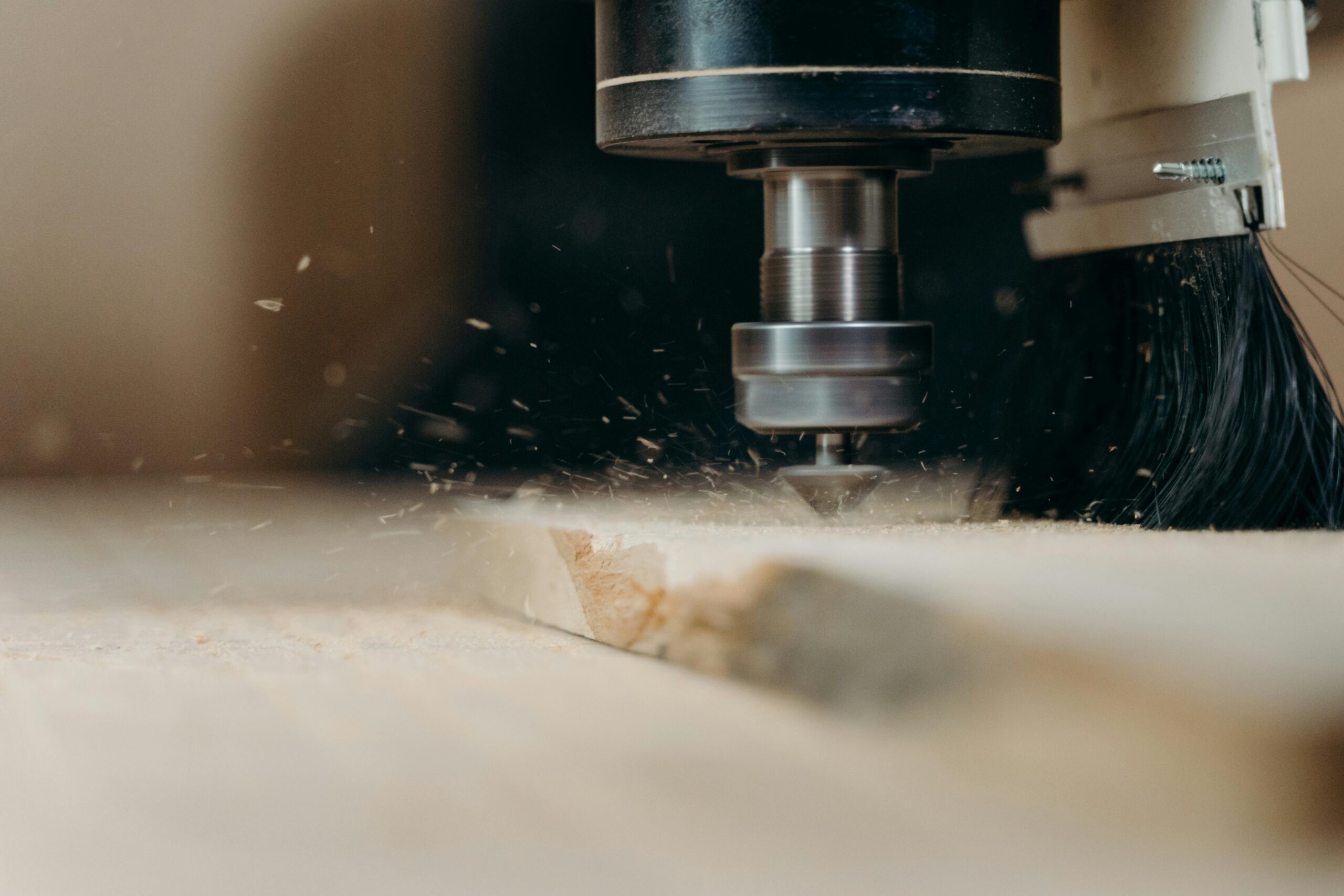
CNC (Computer Numerical Control) cutting uses programmed instructions to cut materials with mechanical tools such as routers, mills, or blades. The machine follows the programmed design with exceptional precision. It is highly repeatable, adaptable, and works with soft and rigid materials.
Pros of CNC Cutting:
Handles a wide range of materials such as plastics, plywood, foam, and rubber
Works well with thicker or denser materials
Produces 3D shapes, routing, and engraving
Affordable setup for large runs
Cons of CNC Cutting:
Slower for very complex designs
Mechanical wear and tear over time
May leave tool marks on some surfaces
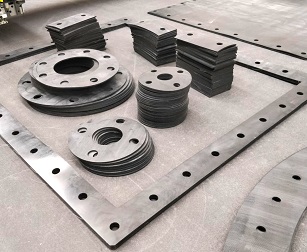
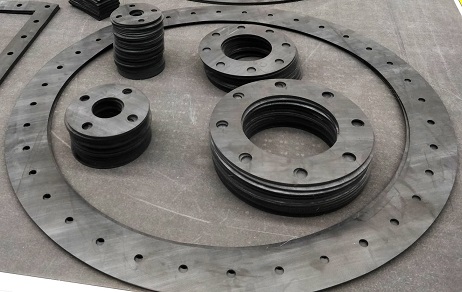
For example, in Australia, CNC cutting is widely used in the mining industry to create heavy-duty rubber gaskets that withstand abrasive conditions. HVAC contractors also use it to quickly produce custom foam seals.
Types of CNC Machines
There are several different types of CNC machines, each suited to specific applications.
CNC Routers: Popular for wood, plastics, and softer materials, ideal for signage, furniture, and foam cutting.
CNC Mills: Heavy-duty machines capable of working with metals, plastics, and composites, used in industrial and automotive sectors.
CNC Lathes: Designed for cylindrical parts, common in engineering and component manufacturing.
CNC Plasma Cutters: Often used for sheet metals, particularly in construction and fabrication.
CNC Waterjet Cutters: Capable of cutting almost any material without heat distortion, useful for precision projects in aerospace and mining.
CNC Oscillating Knife Cutting Machines: Use a rapidly moving blade to slice through soft, flexible materials like foam, rubber, and textiles with precision. Perfect for industries that need clean, accurate cuts without heat. Commonly used for cutting gaskets, packaging materials, leather, and specialty foams.
Knife Oscillating CNC Machines: Ideal for detailed, intricate work where heat cannot be applied. Commonly used for cutting gaskets, packaging materials, leather, and specialty foams.
Milling Head CNC Machines: Equipped with rotating cutting tools to shape, drill, and contour harder materials like metals or engineering plastics. Suitable for complex parts requiring high precision and tight tolerances.
In Australia, gasket manufacturers primarily use CNC routers and mills for rubber and foam cutting, while heavy industries use plasma and waterjet machines for metals.
What is Laser Cutting?
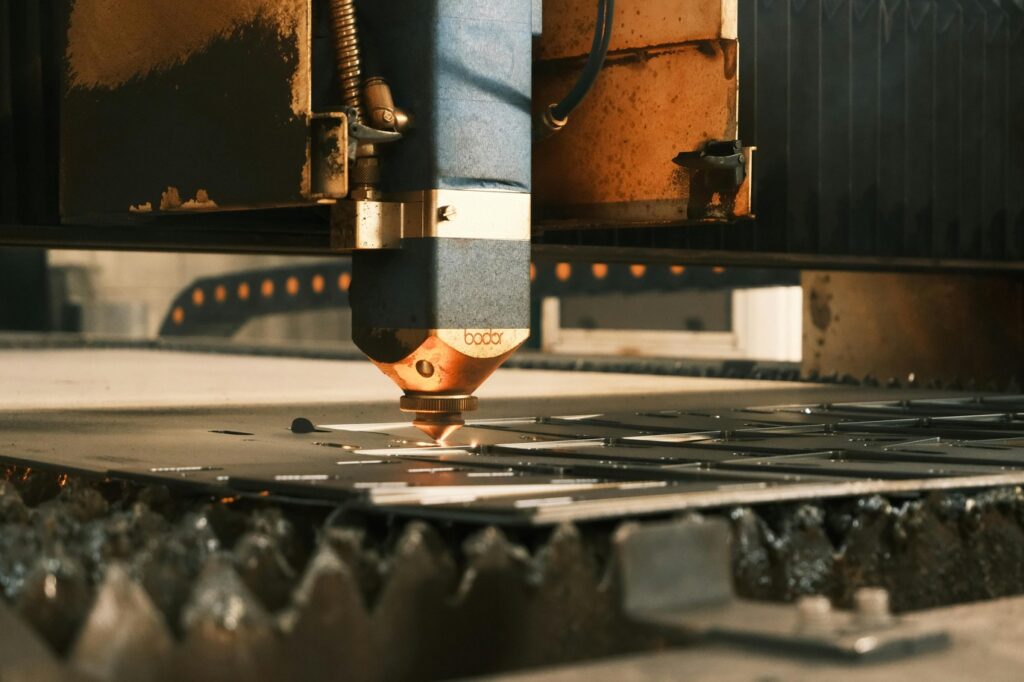
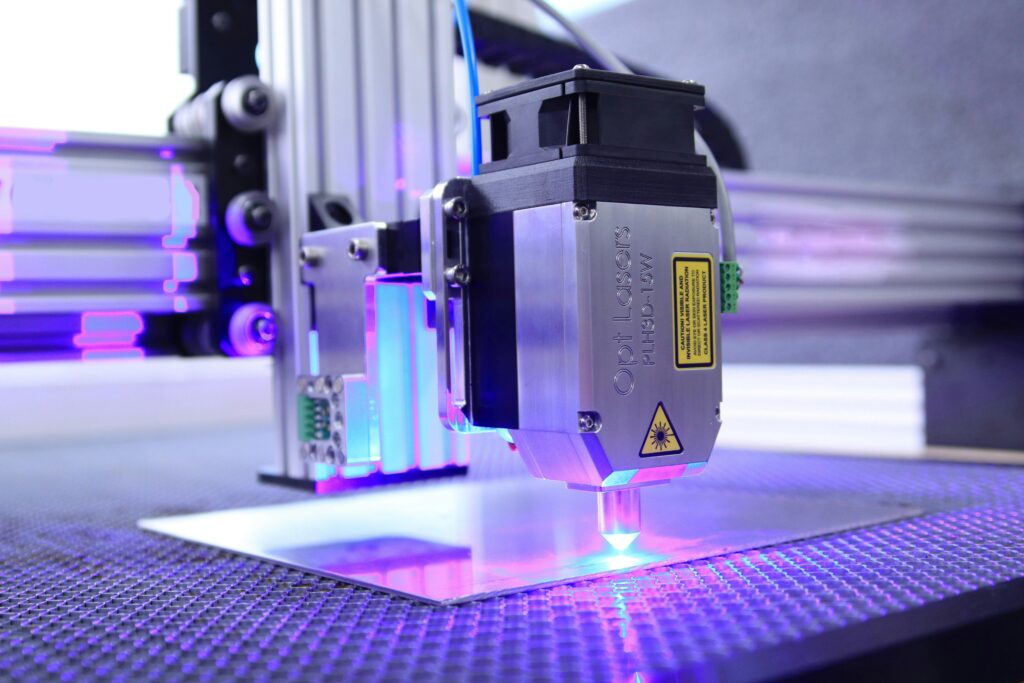
Laser cutting uses a high-powered laser beam to accurately cut through materials. The laser melts, burns, or vaporises the material along the programmed path. It is best for intricate or delicate shapes and excels with thin sheets of metal or plastic.
Pros of Laser Cutting:
Superior precision for complex designs
Smooth, clean edges with little finishing required
Faster on thin materials
Excellent for detailed or decorative projects
Cons of Laser Cutting:
Struggles with very thick materials
Higher setup costs
Heat can affect some materials, leading to warping
Architectural firms in Sydney and Melbourne often use laser cutting for decorative panels and signage. Electronics manufacturers also rely on it for precision parts.
Types of Laser Cutting Machines
Laser cutting machines also vary depending on the power source and application.
CO2 Lasers: Versatile and effective for cutting wood, plastics, acrylics, and textiles. Common in the signage and packaging industries.
Fibre Lasers: High-powered and efficient, excellent for cutting metals such as stainless steel and aluminium. Popular in construction, automotive, and electronics.
Nd: YAG Lasers (Neodymium-doped Yttrium Aluminium Garnet): Used for very fine cutting and engraving in electronics and medical industries.
In Australia, fibre lasers dominate metal fabrication due to their speed and efficiency, while CO2 lasers are widely used in signage and decorative panel work.
CNC Cutting vs Laser Cutting – Key Differences
Factor
CNC Cutting
Laser Cutting
Process
Mechanical cutting tools
High powered laser beam
Materials
Foam, rubber, plastics, wood, metals, thin sheets
Metals, plastics, thinner sheets, acrylics
Precision
Excellent, can produce 3D shapes
Ultra precise, best for intricate designs
Speed
Slower on complex shapes
Faster on thin materials
Finish
May require sanding or finishing
Smooth, clean edges
Cost
Lower initial costs
Higher setup costs
Best For
Custom gaskets, foam packaging, prototypes
Detailed metal parts, signage, and electronics
Price Comparison – CNC vs Laser Cutting
Cost is often the deciding factor. Laser cutting delivers unmatched accuracy but usually costs more upfront.
CNC offers lower setup costs and is more cost-effective for large orders. CNC cutting provides affordable prototyping, reduced tooling costs, and is efficient for bulk production.
Laser cutting requires more investment per job, though it can save money on post-processing because the edges are cleaner.
In Australia, many manufacturing companies producing industrial gaskets choose CNC for large runs, while signage and electronics businesses lean towards laser cutting because of its precision.
Which is Better for Your Project?
The answer depends on the type of work. In Australia, businesses across construction, food processing, mining, and electronics use both methods.
CNC cutting is better for thicker rubber gaskets, industrial foam packaging, or plastic components. It is reliable, affordable, and works for small and large runs.
Laser cutting shines when high precision and detail are essential, such as in signage, electronics, or metal fabrication.
For gasket manufacturing, CNC cutting is often the preferred method because it handles rubber, foam, and PTFE sheets with ease. Laser cutting is used for thinner, heat-resistant materials where detail matters most.
Different Uses for Different Projects
CNC cutting and laser cutting are widely used across Australian industries, but each has its own strengths.
Industry/Application
Best Method
Why
Manufacturing
CNC cutting
Shapes rubber, foam, and PTFE with accuracy
Construction
Laser cutting
Produces clean edges for signage, facades, and structural metal panels
HVAC and refrigeration
CNC cutting
Fast production of foam and rubber seals
Electronics manufacturing
Laser cutting
Provides precision for delicate and detailed components
Used to make accurate parts for wind turbines and solar installations
Advanced Considerations for CNC and Laser Cutting
Beyond cost and precision, other factors influence the decision. CNC machines can produce three-dimensional cuts, pockets, and engravings that lasers cannot. Laser machines, on the other hand, deliver minimal material waste and faster production for thin sheets. CNC offers durability with tough materials, while laser cutting provides visual quality where aesthetics matter.
Environmental considerations also come into play, with CNC producing less heat-affected waste and laser cutting offering reduced scrap in thin sheet production. Businesses in Australia often choose based on material type, volume, and industry standards.
Why Industrial Experts?
At Industrial Experts, we specialise in industrial gaskets and custom CNC cutting solutions for Australian businesses. Our experienced team guides you in choosing the right method for your project and delivers products with quick turnaround times.
We handle urgent breakdowns and large-scale production, providing reliable and cost-effective solutions that keep your operations moving. We offer both standard and custom solutions so your business benefits from the right technology every time.
Our expertise gives you the flexibility to select CNC or laser methods depending on your needs. Trust Industrial Experts to deliver advice, precision, and service that support your long-term success.
CNC vs Laser Cutting: Key Takeaways
CNC cutting uses mechanical tools, making it more versatile for thicker and denser materials.
Laser cutting uses a concentrated beam, giving smooth, precise edges for thin sheets and intricate designs.
CNC is usually more affordable, particularly for bulk orders, while laser cutting comes at a higher cost but saves time on finishing.
CNC is common in gasket manufacturing, mining, and HVAC. Laser cutting is more popular in signage, electronics, and construction.
The best option depends on the project’s materials, level of detail, and budget.
Frequently Asked Questions
Laser cutting is better for thin materials and detailed designs, while CNC is more effective for thicker, rigid materials.
CNC uses mechanical tools guided by programming, while laser cutting uses a laser beam for high-precision results.
CNC is usually more affordable for bulk work and thick materials. Laser cutting costs more but gives superior precision.
CNC is common in gasket manufacturing, HVAC, mining, and renewable energy. Laser cutting is often used in signage, construction, and electronics.



 28 Oct, 2025
 5 Nov, 2025