What is CNAF? Benefits of Compressed Non-Asbestos Fibre Gaskets in Industrial Systems
Home » What is CNAF? Benefits of Compressed Non-Asbestos Fibre Gaskets in Industrial Systems
18 Feb, 2026
What is CNAF? Benefits of Compressed Non-Asbestos Fibre Gaskets in Industrial Systems
Leaking flanges don’t just waste product – they threaten compliance, safety, and your bottom line. If you’re working in pharmaceuticals or any highly regulated industry, your gaskets need to do more than seal. They need to meet strict safety standards without the health risks of legacy materials.
CNAF gaskets solve this problem. Short for Compressed Non-Asbestos Fibre, these sealing solutions deliver reliable performance across extreme temperatures and pressures while keeping workers and products safe.
Key Insights
CNAF stands for Compressed Non-Asbestos Fibre – a safe alternative to asbestos gaskets
Made from aramid, glass, or carbon fibres bonded with synthetic rubber (typically NBR, EPDM, or SBR)
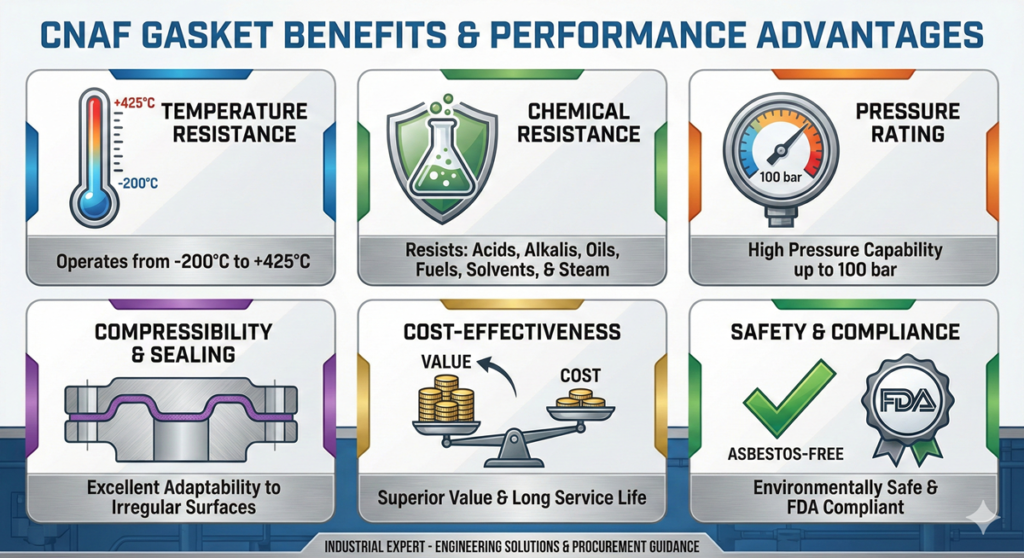
Handle temperatures from -200°C to 425°C and pressures up to 100 bar
Cost-effective compared to metallic gaskets while offering superior chemical resistance
What is CNAF?
CNAF stands for Compressed Non-Asbestos Fibre. It’s a gasket material engineered to provide reliable sealing in industrial applications without the serious health risks associated with asbestos.
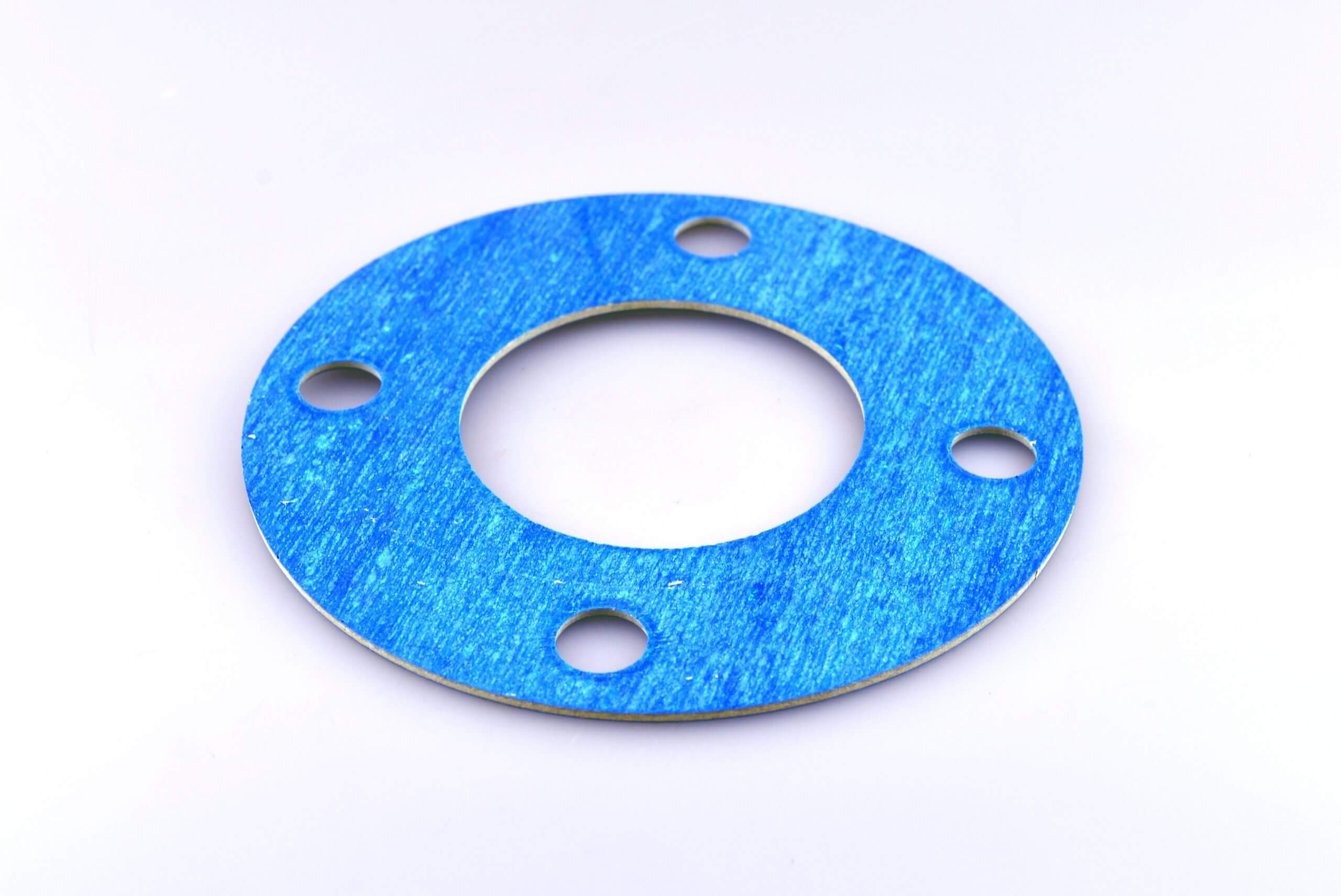
The material consists of synthetic or mineral fibres (typically aramid (Kevlar), glass, or carbon) compressed and bound together with elastomeric binders like nitrile rubber (NBR), EPDM, or styrene-butadiene rubber (SBR). This combination creates a dense, flexible sheet that conforms to flange surfaces while resisting extreme conditions.
Think of it as the modern standard in industrial sealing. Where asbestos once dominated, CNAF now offers the same heat resistance and durability without exposing workers to carcinogenic fibres.
Why CNAF Replaced Asbestos
Asbestos was once the go-to gasket material across Australian industries. Its heat resistance and durability made it perfect for high-temperature applications in power generation, refineries, and manufacturing.
However, asbestos fibres cause mesothelioma, lung cancer, and asbestosis when inhaled. Australia banned all forms of asbestos on December 31, 2003, following decades of mounting health concerns. The ban forced manufacturers to develop safer alternatives. CNAF emerged as the solution, matching or exceeding the performance of asbestos while eliminating health risks entirely.
Material Composition and Grades
Not all CNAF gaskets are created equal. The fibre type and binder determine performance characteristics, so selecting the right grade matters.
Common Fibre Types
Aramid fibres: High tensile strength, excellent chemical resistance, suitable for most general applications
Glass fibres: Superior temperature resistance and chemical stability, ideal for aggressive media
Carbon fibres: Enhanced high-temperature performance and resistance to alkaline conditions
Binder Options
The rubber binder holds fibres together and affects temperature limits and chemical compatibility. NBR (nitrile) is the most common, offering good oil and fuel resistance. EPDM works better for steam and hot water. SBR provides balanced performance at a lower cost.
Industry Standards
Quality CNAF materials meet British Standard BS7531 (Grade X or Y) or similar international specifications. Grade X typically offers higher performance for demanding applications, while Grade Y suits general-purpose sealing.
For industries with stringent requirements, FDA-compliant CNAF grades manufactured according to 21 CFR 177.2600 ensure safe contact with food, beverages, and pharmaceuticals.
Key Benefits of CNAF Gaskets
Temperature Versatility
CNAF gaskets maintain their sealing integrity from cryogenic temperatures around -200°C up to 425°C, depending on the specific grade. This range covers everything from refrigeration systems to high-temperature steam lines.
Chemical Resistance
These gaskets resist acids, alkalis, oils, solvents, and hydrocarbons. The compressed fibre structure doesn’t degrade when exposed to most industrial chemicals, maintaining a reliable seal even in corrosive environments.
Pressure Performance
CNAF handles pressures up to 100 bar in standard applications, making it suitable for high-pressure flanges, pumps, and valves. The material compresses under load to fill surface irregularities while maintaining enough recovery to stay sealed through thermal cycling.
Compressibility and Conformability
Unlike rigid gaskets, CNAF compresses easily to accommodate uneven or damaged flange surfaces. This flexibility reduces installation torque requirements and minimises the risk of flange warping or bolt failure.
Cost Efficiency
CNAF costs less than specialised metallic gaskets or high-performance materials like expanded PTFE. For most industrial applications, it delivers the right balance of performance and economy.
Safety and Compliance
CNAF is completely asbestos-free, eliminating the risk of occupational exposure during handling, installation, or removal. For regulated industries, FDA-compliant grades ensure that products remain safe and free from contamination.
How CNAF Compares to Other Gasket Types
When you’re selecting gaskets, understanding how materials stack up helps you make the right choice for your application.
CNAF vs Rubber Gaskets
Standard rubber gaskets work well at lower temperatures but degrade above 150°C. CNAF extends that range to 425°C while maintaining better chemical resistance. However, rubber offers superior flexibility for low-pressure seals and costs less for basic applications. For a detailed breakdown of when to use each material, see our guide comparing rubber vs fibre vs PTFE vs graphite gaskets.
CNAF vs PTFE Gaskets
PTFE (Teflon) provides superior chemical inertness – it resists virtually any chemical. But PTFE requires higher bolt loads to compress and tends to creep under pressure, loosening over time. CNAF compresses more easily and maintains better recovery, reducing the risk of leaks after thermal cycling.
CNAF vs Spiral Wound Gaskets
Spiral wound gaskets combine metal with soft filler material, offering excellent performance in high-pressure, high-temperature applications. They’re the better choice for critical services that exceed CNAF’s capabilities. However, they are significantly more expensive and require precise installation. For general industrial flanges, CNAF delivers reliable sealing at a fraction of the cost.
CNAF vs Paper Gaskets
Paper gaskets suit low-pressure applications where cost is the primary concern. They can’t handle the temperatures, pressures, or chemical exposure that CNAF manages routinely. Paper works fine for gearbox covers or light-duty equipment, but industrial process equipment needs something more robust.
CNAF Gasket Comparison Table
Property
CNAF
Rubber
PTFE
Spiral Wound
Paper
Max Temperature
425°C
150°C
260°C
650°C+
120°C
Pressure Rating
Medium-high
Low-medium
Medium-high
Very high
Low
Chemical Resistance
Good
Limited
Excellent
Good
Poor
Creep Resistance
Good
Moderate
Poor
Excellent
Poor
Relative Cost
$$
$
$$$
$$$$
$
Best For
General industrial flanges, pumps, valves
Low-pressure seals, water systems
Aggressive chemicals, pharmaceutical
Critical high-temp/high-pressure service
Light-duty, gearbox covers
Selecting the Right CNAF Gasket
Choosing the right CNAF grade ensures reliable sealing without overpaying for performance you don’t need.
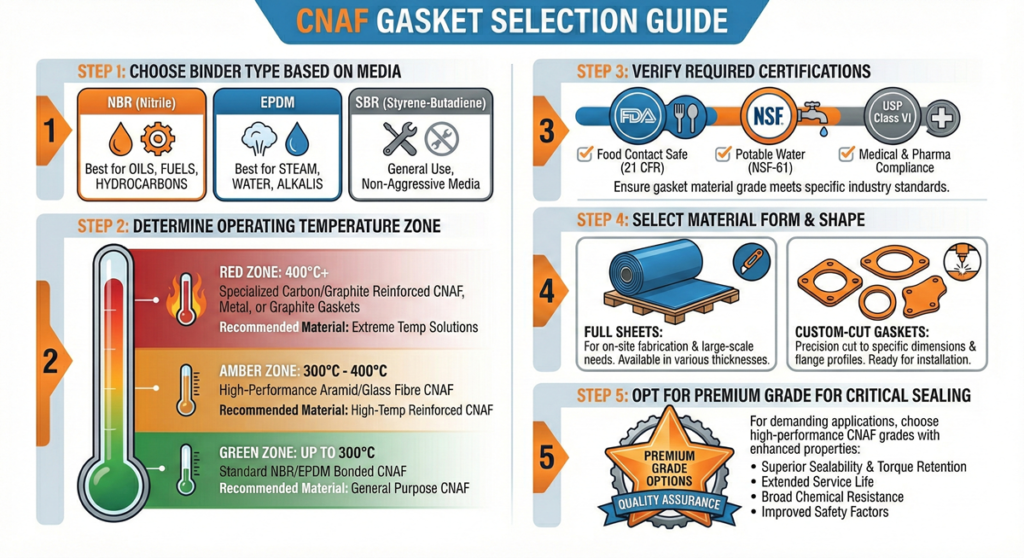
Match the binder to your media: NBR binders work well for oils and fuels. EPDM handles steam, hot water, and mild acids better. SBR offers general-purpose performance across a range of conditions.
Consider temperature extremes: Standard aramid-based CNAF handles temperatures up to 300°C. If you’re working near 400°C, you’ll need carbon or glass fibre reinforcement.
Check compliance requirements: Food, beverage, dairy, and pharmaceutical applications require FDA-compliant materials manufactured to 21 CFR 177.2600 standards. Some applications also need NSF or USP Class VI certification.
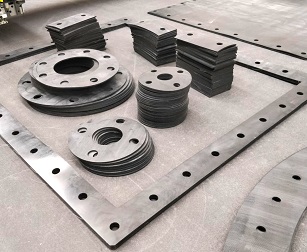
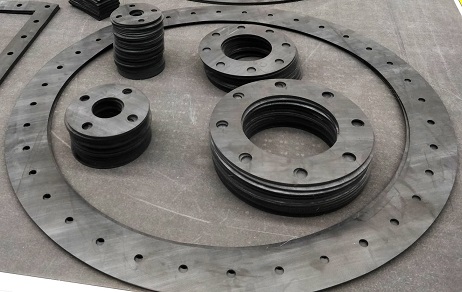
Available as sheets or custom cut: CNAF gasket sheets come in standard thicknesses from 0.5mm to 3mm and can be cut to any flange size or shape.
Premium grades for critical applications: Materials like Ferolite NAM-42 GF or Garlock 3000, 3760 and 5500 offer enhanced performance for applications requiring fire safety certification or operation at the upper limits of CNAF’s capabilities.
If you’re working in a highly regulated industry and need gaskets that meet strict compliance standards while delivering reliable performance, selecting the right material matters.
Industrial Experts works with manufacturers across food processing, pharmaceuticals, dairy, and oil & gas to specify and supply CNAF gaskets that match your exact operating conditions, so you get the sealing performance you need without overpaying for unnecessary features.
Why CNAF Remains the Standard
CNAF gaskets became the industrial standard for good reason. They handle the heat, pressure, and chemical exposure found in demanding applications while costing less than specialised alternatives. The material is safe to handle, meets regulatory requirements, and performs reliably across a wide range of conditions.
For industries where compliance isn’t optional, FDA-approved CNAF delivers the performance you need with the peace of mind that comes from knowing your gaskets won’t contaminate products or pose health risks to workers. Whether you’re sealing a steam line, a chemical reactor, or a food processing tank, there’s likely a CNAF grade engineered for exactly that purpose.
Industrial Experts supplies a comprehensive range of CNAF gasket materials and custom gasket solutions to Australian manufacturers across various industries and applications. If you need help selecting the right gasket material or require custom specifications, our team can provide technical guidance and fast delivery throughout Australia.




 28 Oct, 2025
 5 Nov, 2025